Late updated: 16 Dec 2025 11:12
Written by: Eleanor Hartman
Effective Rainwater Harvesting Techniques for Urban UK Homes: Sustainable Solutions
Urban UK homes are increasingly turning to rainwater harvesting as a sustainable solution to conserve water, reduce utility bills, and support the environment. As cities face growing challenges from climate change and population density, the efficient collection and reuse of rainwater become more vital. We explore practical methods that can be easily integrated into modern homes.
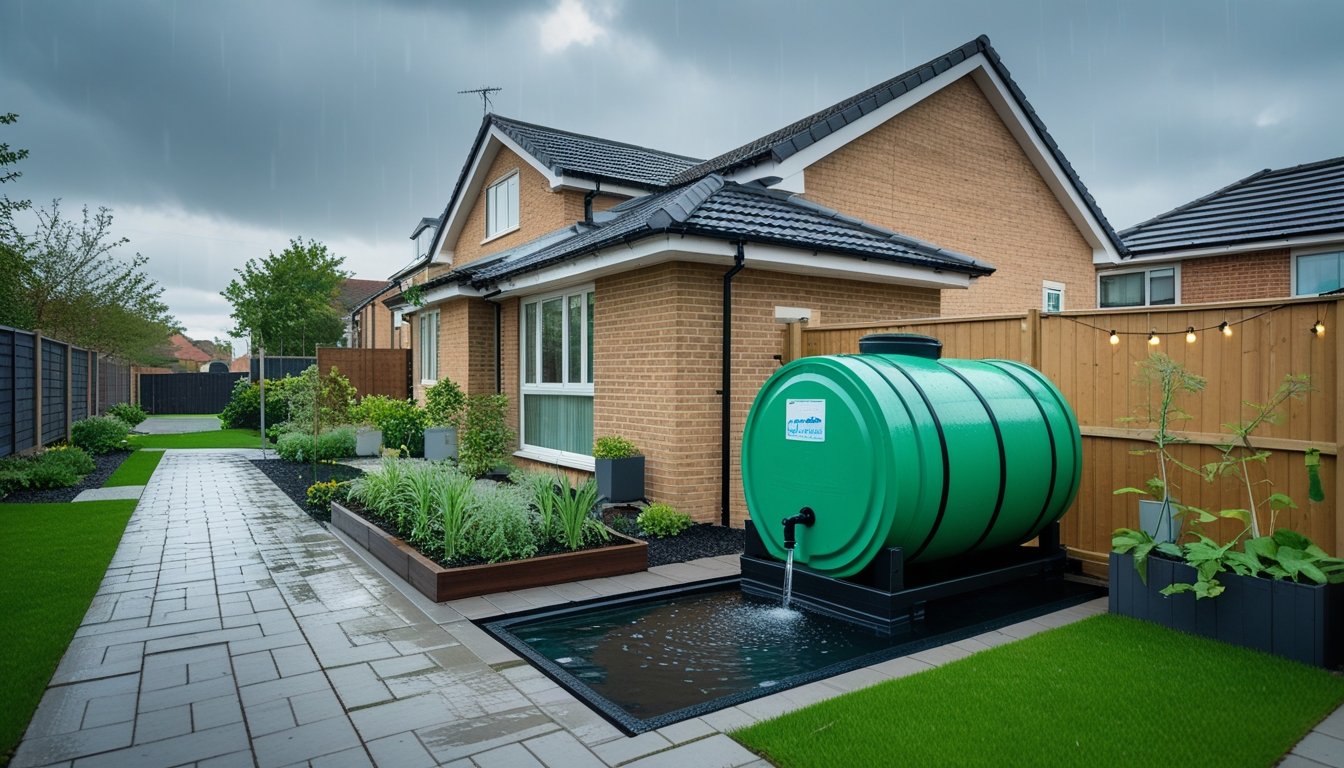
Incorporating rainwater harvesting into our homes provides substantial benefits, from enhancing water management to cutting down on costs. While traditional methods have included rainwater butts and simple runoff redirection, modern techniques are far more advanced. These methods, such as green roofs, rain gardens, and modular storage systems, make it possible to utilise rainwater for non-potable applications like garden irrigation, toilet flushing, and cleaning.
Through a blend of technology and sustainable practices, rainwater harvesting transforms urban settings into more eco-friendly spaces. This not only supports urban water management but also contributes significantly to reducing stormwater runoff and flooding. Adopting these systems can help us contribute to a more sustainable future while enjoying the immediate benefits of reduced water bills.
Key Takeaways
- Rainwater harvesting enhances urban water management.
- Modern techniques include green roofs and rain gardens.
- Benefits include cost savings and environmental protection.
Fundamental Principles of Rainwater Harvesting for Urban UK Homes
Rainwater harvesting involves collecting and storing rainwater for various uses, and it plays a crucial role in sustainable water management for UK homes. In urban areas, where water consumption is high and resources are increasingly stressed, implementing effective rainwater systems aids in reducing reliance on mains water. Understanding key components and storage options is essential for optimising these systems.
Core Concepts and Benefits of Rainwater Harvesting
At its core, rainwater harvesting (RWH) involves capturing rainfall from surfaces like rooftops and channelling it into a storage system. This process helps in conserving water by providing an alternative source for non-potable uses, such as garden irrigation and toilet flushing. By reducing the demand on mains water supplies, RWH supports sustainability efforts, lowers household utility bills, and decreases the environmental footprint.
The versatility of rainwater systems lies in their adaptability to various climates and urban layouts. For urban UK homes, where space may be limited, efficient use of available rooftops and innovative system design becomes paramount. Besides environmental benefits, rainwater harvesting enhances water resilience during dry periods, ensuring water availability when it's scarce.
Key System Components and Their Functions
A typical rainwater harvesting system consists of several vital components. Catchment areas, usually rooftops, where rainwater is initially collected. Gutters and downpipes direct the collected water towards storage points, ensuring minimal loss. Filters are installed to remove debris and impurities, preserving water quality and system longevity.
Storage tanks or containers act as reservoirs, holding the collected rainwater until needed. These tanks can vary in size and type, accommodating different storage requirements and spatial constraints. Appropriate pumps and distribution networks facilitate the movement of water to designated non-potable applications, such as toilets or washing machines. An overflow mechanism is also crucial to manage excess water during heavy rainfall, preventing system overload.
Storage Tanks and Rainwater Storage Solutions
Storage tanks are the heart of any rainwater harvesting system. Their purpose is to ensure a steady supply of collected rainwater is available for use. From compact underdeck tanks suitable for limited urban spaces to larger above-ground variants, the selection must align with household water use patterns and storage capacity needs.
Material choice influences tank durability and cost; options include plastic, fibreglass, or concrete. Underground tanks, though more expensive initially, offer aesthetic benefits as they remain out of sight. Proper site evaluation is necessary to determine suitability, avoid flooding issues and ensure efficient integration into existing structures. Variables like local rainfall patterns and intended water use guide the optimal design and placement of these critical components.
Innovative and Effective Rainwater Harvesting Techniques for Urban Environments
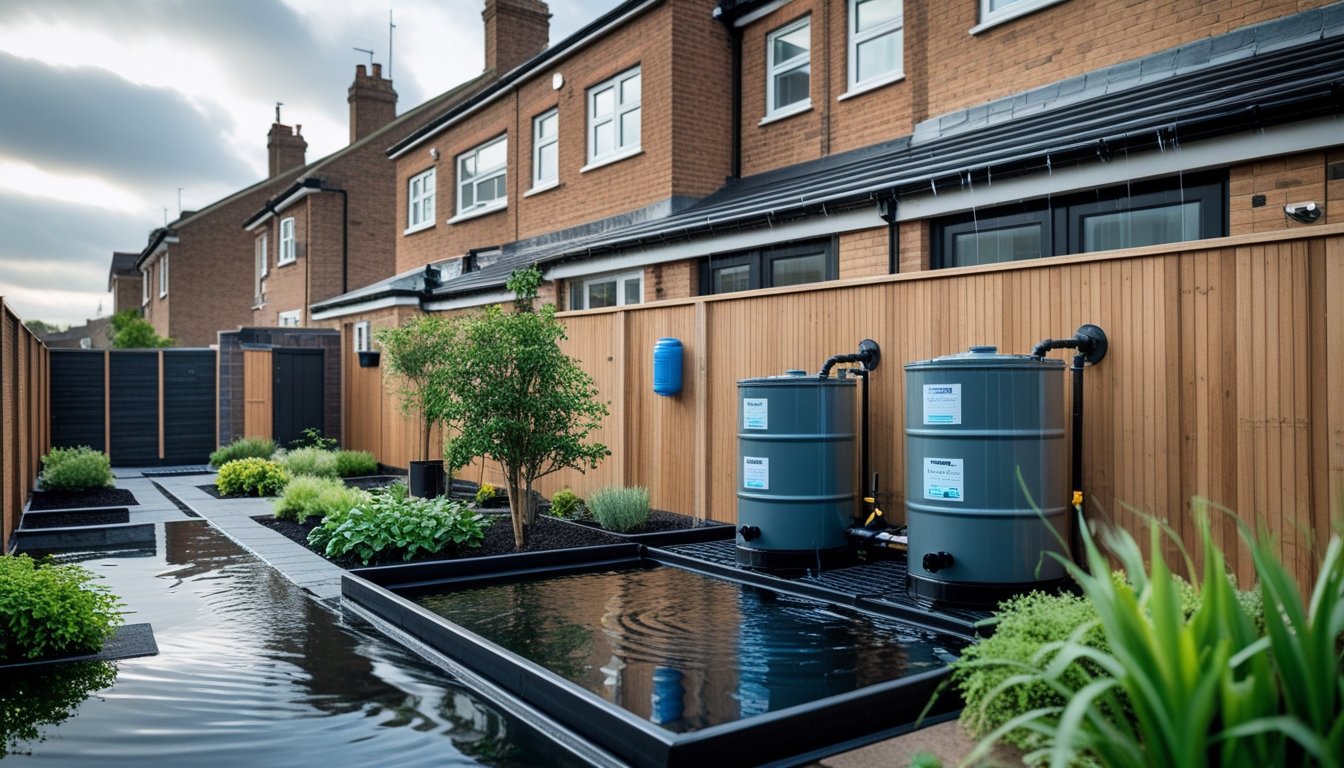
Exploring innovative rainwater harvesting techniques, we consider advancements that support smart urban water management. These methods enhance water conservation and address challenges like urban flooding and water scarcity.
Smart Sensors and Automation in Rainwater Systems
Smart technologies revolutionise how we manage rainwater. Our systems utilise smart sensors that monitor water levels and quality in real-time, offering precise data for optimal system operation. Automation extends to managing water flow and storage, improving efficiency by adjusting actions according to rainfall patterns and system capacity. An intriguing benefit is predictive maintenance; sensors can predict when maintenance is needed, preventing system failures. Integrating technology with traditional rainwater harvesting ensures robust and reliable management of urban water resources, aligning with modern infrastructure needs and paving the way for comprehensive stormwater management.
Advanced Filtration and Purification Methods
Advanced filtration systems are vital in maintaining high water quality in urban environments. Self-cleaning filters and multi-stage purification installations are at the forefront, effectively removing contaminants and pathogens. These systems often include initial filtration to remove larger debris, followed by finer filters for microorganisms. Innovations like UV and activated carbon treatments enhance purification, allowing for safe water reuse in non-potable applications. The BS EN 16941-1:2018 standards guide these systems, ensuring compliance with safety and quality benchmarks. By adopting these methods, urban areas can significantly reduce dependency on municipal water supplies, ensuring sustainable water use amidst growing water scarcity concerns.
Green Roofs and Permeable Pavements
Green roofs and permeable pavements offer dual benefits of stormwater management and urban greening. They help in absorbing rainwater, reducing runoff and mitigating urban flooding. Green roofs also contribute to biodiversity and improve air quality while insulating buildings. Meanwhile, permeable pavements allow water to filter through surfaces, promoting groundwater recharge. Utilising materials such as porous asphalt or concrete, these pavements decrease water pooling on roads and pathways. By integrating these solutions, cities not only enhance rainwater management but also foster healthier, more sustainable urban environments. Projects that use these techniques illustrate innovative rainwater harvesting infrastructure adapting to climate change impacts.
Rain Gardens and Sustainable Drainage Strategies
Rain gardens, key components of sustainable drainage systems (SuDS), play a significant role in rainwater harvesting. Designed with native shrubs and grasses, they naturally filter pollutants and facilitate groundwater recharge. By capturing and slowing stormwater runoff, these gardens prevent excessive urban flooding and erosion. They serve as effective green buffers that enhance urban aesthetic and biodiversity. When integrated with other SuDS strategies, such as underground storage systems and swales, they form a cohesive system that improves urban water resilience. Our approach involves designing these systems to adapt easily to changing urban landscapes, ensuring long-term environmental conservation while addressing immediate water management challenges.
Frequently Asked Questions
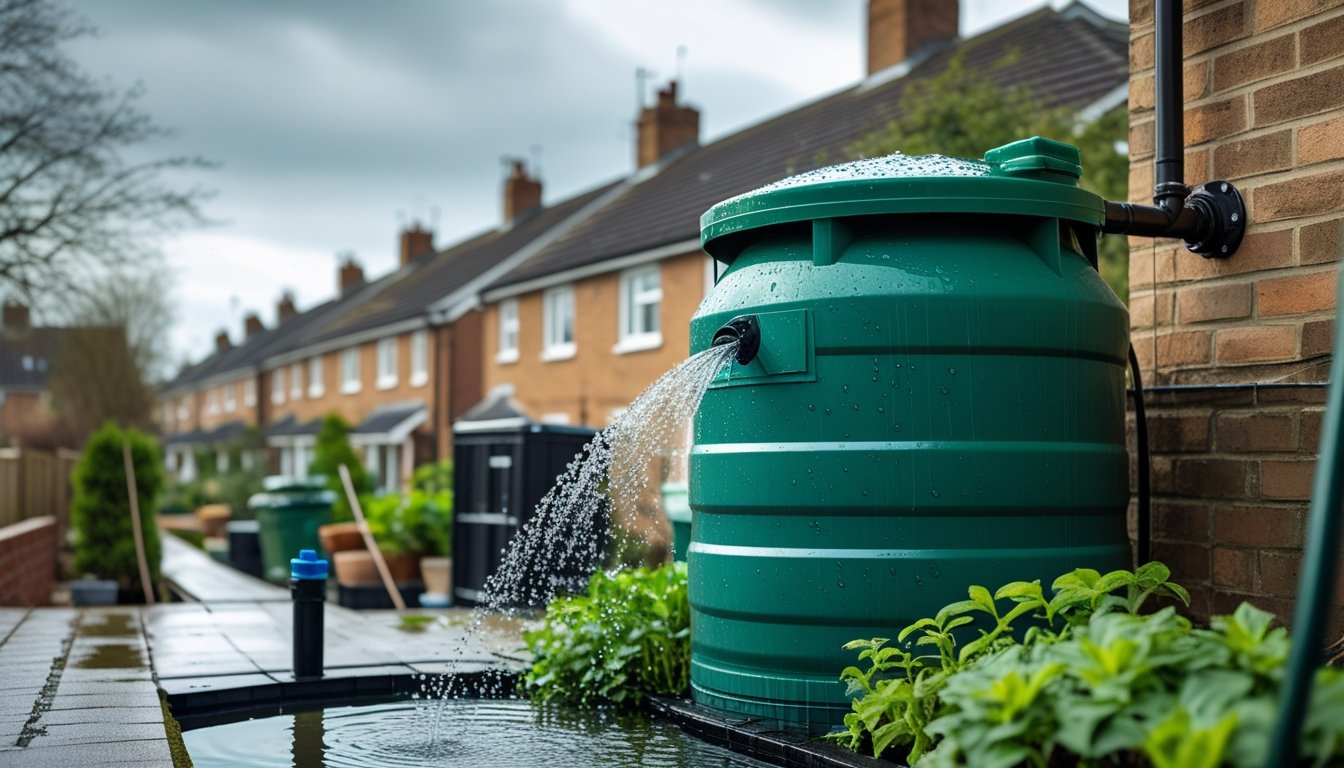
We aim to address common concerns regarding rainwater harvesting in urban UK settings. By focusing on installation, legalities, safety, cost, and integration, these insights can help homeowners make informed decisions.
What are the best practices for installing a rainwater harvesting system in a small urban UK garden?
In small urban gardens, space optimisation is key. Installing slimline tanks or modular systems can effectively fit into tight spaces. Vertical garden options and underground storage solutions also offer viable alternatives for limited areas, making efficient use of space without compromising aesthetics.
How can one maximise water collection from a rooftop in a high-density area?
Using high-capacity gutters and downpipes can increase collection efficiency, especially during heavy rainfall. Advanced filtration can prevent debris from entering tanks, ensuring that maximum water is gathered and stored cleanly. Diverting excess water to rain gardens or permeable soil areas can prevent overflow and make full use of available rainfall.
What are the legal requirements for setting up a residential rainwater harvesting system in the UK?
In the UK, there are no permits required specifically for rainwater harvesting systems, but compliance with local planning guidelines is necessary. Homeowners must ensure systems do not negatively impact public sewerage, while installations require adherence to British Standards, especially regarding water quality and plumbing.
Can rainwater be safely used for domestic purposes, and what purification methods should be applied?
Rainwater is typically safe for non-potable uses such as toilet flushing and irrigation. For potable uses, filtration and disinfection technologies are necessary. UV purification and reverse osmosis are effective methods to remove contaminants and ensure water is safe for drinking.
What are the most cost-effective rainwater harvesting solutions for terraced housing in urban UK environments?
Miniature rain barrels or wall-hugging tanks provide cost-efficient options for terrace homes. Utilising an existing drainage system can minimise costs further. DIY installation kits are available, reducing the need for professional setup, and solar-powered pumps can enhance system efficiency without adding significant energy costs.
How does one integrate a rainwater harvesting system with existing plumbing in a UK home?
Integration involves connecting the rainwater storage to non-potable plumbing systems. Using a dual system allows for independent water sources for various needs. Retrofitting may require professional assessment to ensure compatibility, and using pump systems can effectively distribute collected rainwater throughout the home.