Late updated: 05 Jan 2026 12:01
Written by: Eleanor Hartman
Exploring Solar Cookers: A Sustainable and Eco-Friendly Cooking Alternative
The pursuit of sustainable solutions in our daily lives is more crucial than ever, particularly when it comes to how we prepare food. With solar cookers, we can combine cooking with the innovative use of renewable energy to significantly reduce our environmental footprint. Harnessing the power of the sun allows solar cookers to provide a cost-effective and eco-friendly alternative to traditional cooking methods. This not only addresses the increasing need for sustainable living but also offers a practical approach to minimising reliance on fossil fuels.
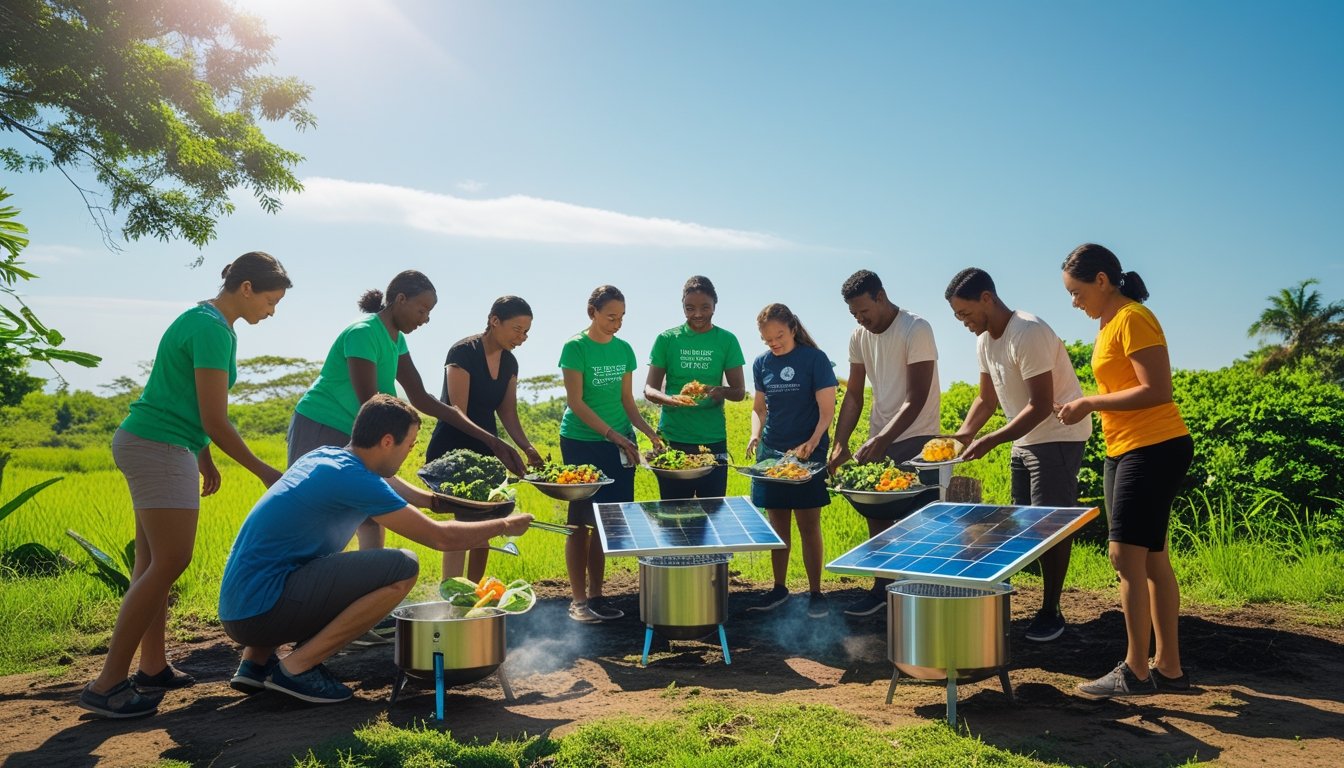
Solar cookers work by capturing sunlight and converting it into heat energy to cook food or pasteurise water. Their core technologies, including box, panel, and parabolic cookers, offer diverse methods to suit varying needs and environments. In doing so, they demonstrate adaptability and innovation in blending technology with traditional culinary practices. As global awareness of environmental challenges grows, the role of solar cookers in sustainable cooking has become essential in shaping a more sustainable future.
This exploration into the world of solar cookers aims to provide insights into available technologies and their practical applications. By adopting these eco-friendly cooking solutions, we can contribute to a greener planet while embracing the benefits of renewable energy in our kitchens.
Key Takeaways
- Solar cookers use renewable energy to offer sustainable cooking.
- Core technologies include box, panel, and parabolic cookers.
- They reduce reliance on fossil fuels in everyday cooking.
Solar Cookers: Principles and Core Technologies
Solar cookers offer an efficient means of harnessing the sun's energy for cooking. They come in various designs, each leveraging unique principles and materials to maximise thermal performance. The discussion that follows delves into how these cookers operate, the distinct types available, and the critical design elements that ensure their effectiveness.
How Solar Cookers Work
Solar cookers function by converting sunlight into heat energy, utilising reflective surfaces to concentrate sunlight onto a cooking area. This energy is then trapped using materials with high heat retention capabilities. A transparent cover often aids in maintaining the heat inside, functioning similarly to a greenhouse. Reflectors or reflective panels are essential as they increase the intensity of the sunlight directed onto the cooking surface, ensuring efficient cooking. Insulation is another crucial aspect, as it minimises heat loss, allowing the cooker to maintain high temperatures for prolonged periods. These elements collectively contribute to the thermal performance of solar cookers, making them a viable alternative to conventional cooking methods.
Types of Solar Cookers
Several types of solar cookers are available, each with unique features addressing different needs. Box Cookers, also known as solar box cookers, rely on an insulated box with a transparent top, making them simple yet effective. Panel Cookers utilise multiple reflectors to funnel sunlight into a central cooking area, prioritising simplicity and portability. Another type, Parabolic Cookers, features a reflective parabolic dish that focuses sunlight directly onto the cooking pot, achieving high temperatures quickly. Parabolic solar cookers are particularly effective for tasks requiring direct, intense heat. Hybrid Systems may include elements like electric backup, allowing for use even when sunlight exposure is insufficient. Each design addresses distinct requirements, such as cooking times and heat intensity.
Key Design Elements and Materials
The choice of materials and design elements significantly impacts the efficiency and practicality of solar cookers. Reflective surfaces, such as mirrors or foil, are crucial for directing and concentrating sunlight onto the cooking surface. Materials with high heat retention properties, like tempered glass and metal, help in sustaining cooking temperatures. Insulated materials like foam or fibreglass can significantly enhance a cooker’s ability to retain heat. Additionally, some designs incorporate advanced technologies like nanofluids to enhance heat transfer capabilities, thus improving performance. Thoughtful integration of these factors ensures solar cookers are effective and user-friendly, advancing solar cooking technology and making sustainable cooking accessible to more people.
The Role of Solar Cookers in Sustainable Cooking Solutions
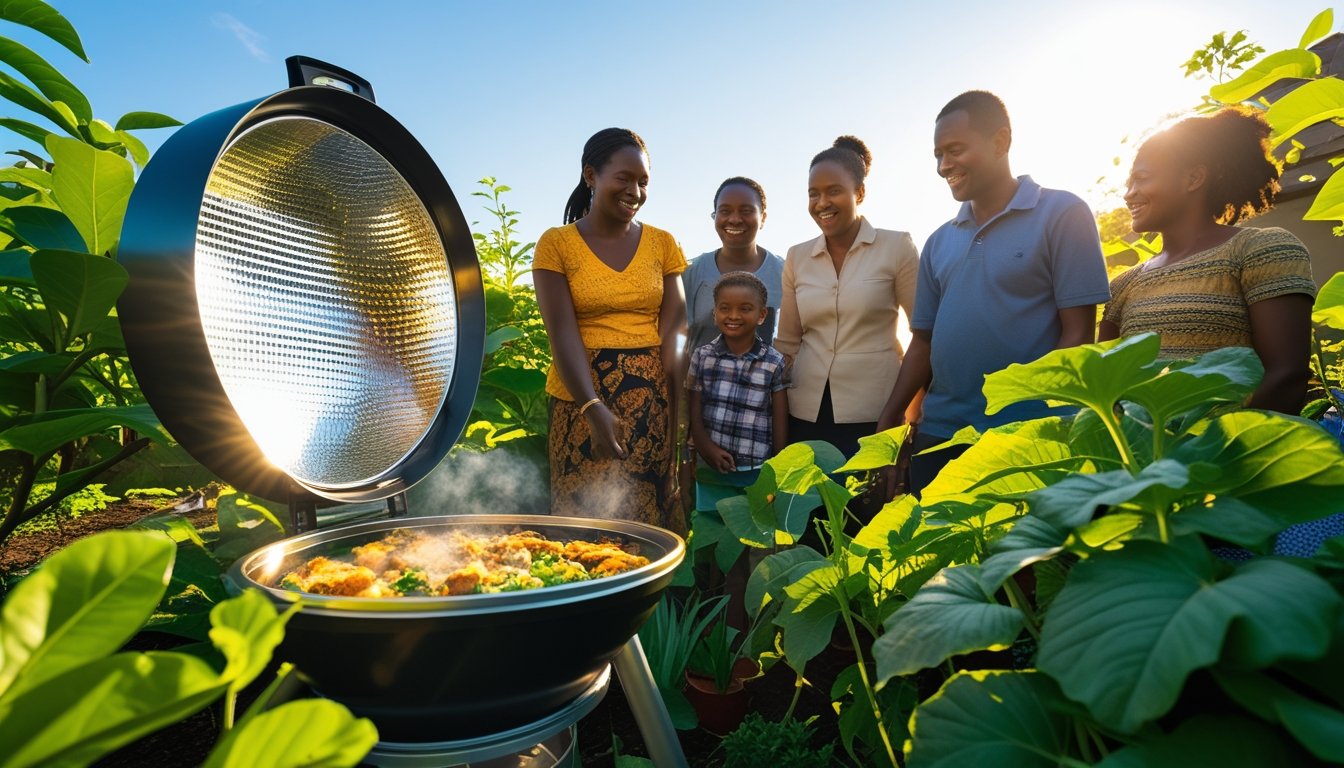
Solar cookers are an essential component of renewable energy solutions, serving as a sustainable alternative to traditional cooking methods. By harnessing solar energy, they contribute to reducing deforestation, lowering carbon footprints, and improving indoor air quality. These cookers provide an eco-friendly cooking method that supports energy independence, food security, and sustainable living.
Environmental Impact and Health Benefits
Solar cookers offer significant environmental benefits. By relying on solar energy, they help reduce reliance on fossil fuels and mitigate deforestation caused by the need for firewood. This transition from conventional fuels significantly lowers our carbon footprint. Furthermore, the use of solar cookers can drastically reduce indoor air pollution, which is a major health hazard in many parts of the world. Cleaner indoor environments contribute to better overall health, including reducing respiratory illnesses. By promoting eco-friendly cooking, solar cookers play a vital role in advancing environmental health, which is aligned with the objectives of sustainable living and cooking.
Economic and Social Advantages
Economically, solar cookers present a cost-effective alternative to traditional cooking methods. Initial investments in solar cooking technology can be offset by long-term savings on fuel costs. With many communities striving for energy independence, solar cookers provide a viable path. Socially, these cookers empower communities by improving energy access, which is particularly beneficial in remote and sunny regions. Solar Cookers International (SCI) and similar organisations work to increase the adoption of these technologies, thereby fostering local economies and enhancing community resilience.
Challenges, Limitations, and Recent Innovations
There are several challenges and limitations to the widespread adoption of solar cookers. Dependence on sunny days is a significant limitation, as cooking capabilities are reduced during cloudy weather. Initial setup costs can be a barrier, despite long-term savings. Additionally, some communities might resist changing traditional cooking practices. However, recent innovations in solar technology are addressing these issues. Advances in solar photovoltaic-based e-cooking and concentrated solar power (CSP) are expanding functionality and efficiency. Such innovations continue to enhance the durability and practicality of solar cookers, making them a cornerstone of sustainable cooking solutions.
Frequently Asked Questions
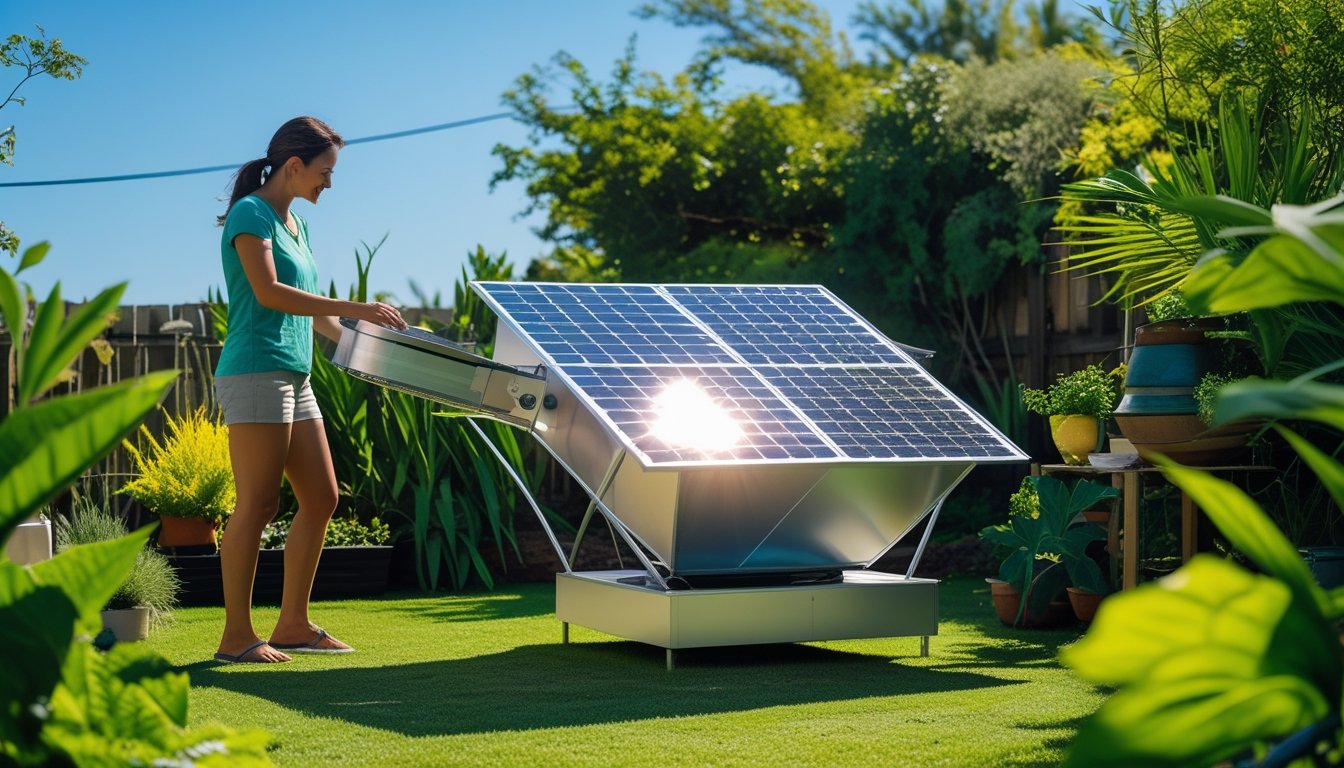
In exploring the world of solar cookers, we consider their impact on sustainable living, available types, usability in various climates, benefits over traditional methods, cooking times, and maintenance needs. Each of these points plays a crucial role in understanding solar cookers as a viable and eco-friendly cooking solution.
How do solar cookers contribute to sustainable living?
Solar cookers offer an environmentally friendly alternative to conventional cooking. By using the sun's energy, they eliminate the need for fossil fuels, reduce deforestation, and decrease greenhouse gas emissions. This makes them a sustainable choice for those looking to minimise their carbon footprint.
What are the different types of solar cookers available?
Several designs exist, including box cookers, parabolic cookers, and panel cookers. Box cookers typically have an insulated box with a transparent lid, harnessing sunlight to heat the interior. Parabolic cookers use reflective surfaces to focus sunlight onto a central point, achieving higher temperatures. Panel cookers combine elements of both designs for a balance between simplicity and efficiency.
Can solar cookers be used in regions with variable weather conditions?
While solar cookers perform optimally in regions with consistent sunlight, advances in technology have increased their usability in varied climates. Reflective materials and thermal storage options can help maintain cooking efficiency even when sunlight is intermittent or less intense.
What are the benefits of using solar cookers compared to traditional cooking methods?
Solar cookers provide cost savings by reducing reliance on purchased fuel. They also offer a clean cooking process, avoiding indoor air pollution associated with traditional stoves. Additionally, their portability and minimal maintenance requirements make them appealing for both urban and remote settings.
How does the cooking time in a solar cooker compare to conventional ovens?
Cooking times can vary with solar cookers depending on the type, size, and weather conditions. Generally, they take longer than conventional ovens. Patience is needed as cooking can sometimes be slower, requiring adjustments to recipes and meal planning.
What is required to maintain and clean a solar cooker?
Maintenance of a solar cooker largely involves cleaning reflective surfaces to ensure maximum sunlight absorption. Regular checks for wear and tear on components keep them efficient. Cleaning usually requires only simple household materials, making upkeep straightforward and cost-effective.