Late updated: 31 Dec 2025 14:12
Written by: Eleanor Hartman
Exploring the Evolution of UK Energy Efficiency Standards: A Comprehensive Overview
The journey of energy efficiency standards in the UK reveals a story of innovation and commitment to sustainability. Over recent decades, the UK has positioned itself as a leader in implementing and refining energy efficiency protocols, responding to urgent environmental challenges and shifting societal attitudes towards energy use. Today, as we examine these standards, we uncover how these regulations have shaped the way we build, insulate, and power our homes, significantly reducing energy consumption.
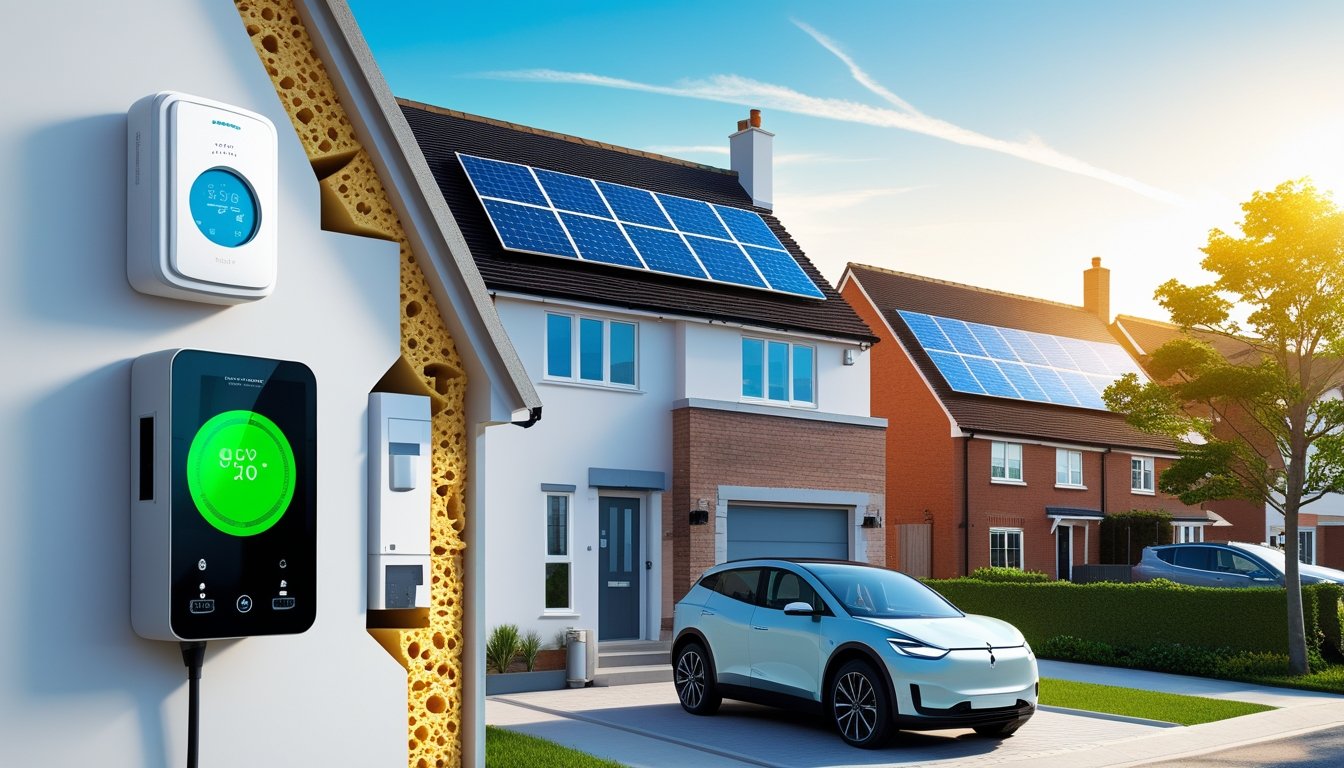
These standards have evolved considerably, with progressive tightening to meet ambitious carbon reduction targets. This evolution involves not just the policies themselves but also the technologies and trends that continue to drive energy-saving measures forward. By examining these developments, we gain not only insights into past achievements but also a glimpse of the innovations that are setting the path ahead.
Exploring the specifics of energy efficiency standards allows us to appreciate their impact on UK homes. While regulatory measures have grown more stringent, educating homeowners and renters has proven equally vital. As we delve into these aspects, the narrative becomes clear: energy efficiency is as much a part of our future as it is a reflection of our progress so far.
Key Takeaways
- The UK has led efforts in energy efficiency improvements.
- Standards have tightened to meet carbon reduction goals.
- Technologies and policies continue to shape home energy use.
Key Developments in UK Energy Efficiency Standards
The development of UK energy efficiency standards has been marked by a series of significant advancements in building regulations, energy performance legislation, and policy initiatives aimed at reducing carbon emissions. These developments are central to achieving the country's ambitious net zero targets.
Evolution of Building Regulations
Over the years, building regulations in the UK have undergone significant transformations to improve energy efficiency. The introduction of Part L of the Building Regulations, which focuses on the conservation of fuel and power, marked a pivotal shift. This was further enhanced by the Future Homes Standard, which sets new benchmarks for low-carbon heating in new homes by 2025. These measures have mandated higher insulation levels and increased efficiency in heating systems, playing a crucial role in reducing carbon emissions.
Energy Performance Legislation and Assessment Schemes
Energy performance legislation in the UK has evolved with the introduction of various assessment schemes like the Energy Performance Certificate (EPC) and the Standard Assessment Procedure (SAP). The EPC rates properties from A to G, with higher ratings indicating better energy efficiency. The SAP, and its variant Reduced Data SAP (RDSAP), provide a framework for assessing energy performance. These tools are vital for homeowners and policymakers to gauge and improve energy efficiency, driving initiatives like the Minimum Energy Efficiency Standards (MEES) that require properties to have an EPC rating of at least E.
Landmark Policies and Programmes
The UK's energy efficiency landscape has been shaped by landmark policies such as the Green Deal and the Energy Company Obligation (ECO). The Green Deal aimed to help property owners make energy-saving improvements, while ECO requires energy suppliers to support measures for reducing household energy consumption. Additionally, the Clean Growth Strategy underlines the government's commitment to reducing carbon emissions, making energy efficiency a cornerstone of national energy policy. These programmes have collectively fostered an environment where energy efficiency is closely tied to economic and environmental goals.
Net Zero Targets and Policy Shifts
Our journey towards net zero by 2050 has ignited significant policy shifts in energy efficiency standards. The Zero Carbon Homes policy, although rethought in recent years, initially set the vision for new homes to have zero net carbon emissions. The Clean Growth Strategy also set a directive towards reducing carbon emissions, with a focus on improving the energy efficiency of homes and buildings. These shifts highlight the UK's ambition to be a leader in tackling climate change by integrating stringent energy efficiency standards within its broader strategy to achieve net zero objectives.
Measures, Technologies, and Trends Shaping Home Energy Efficiency
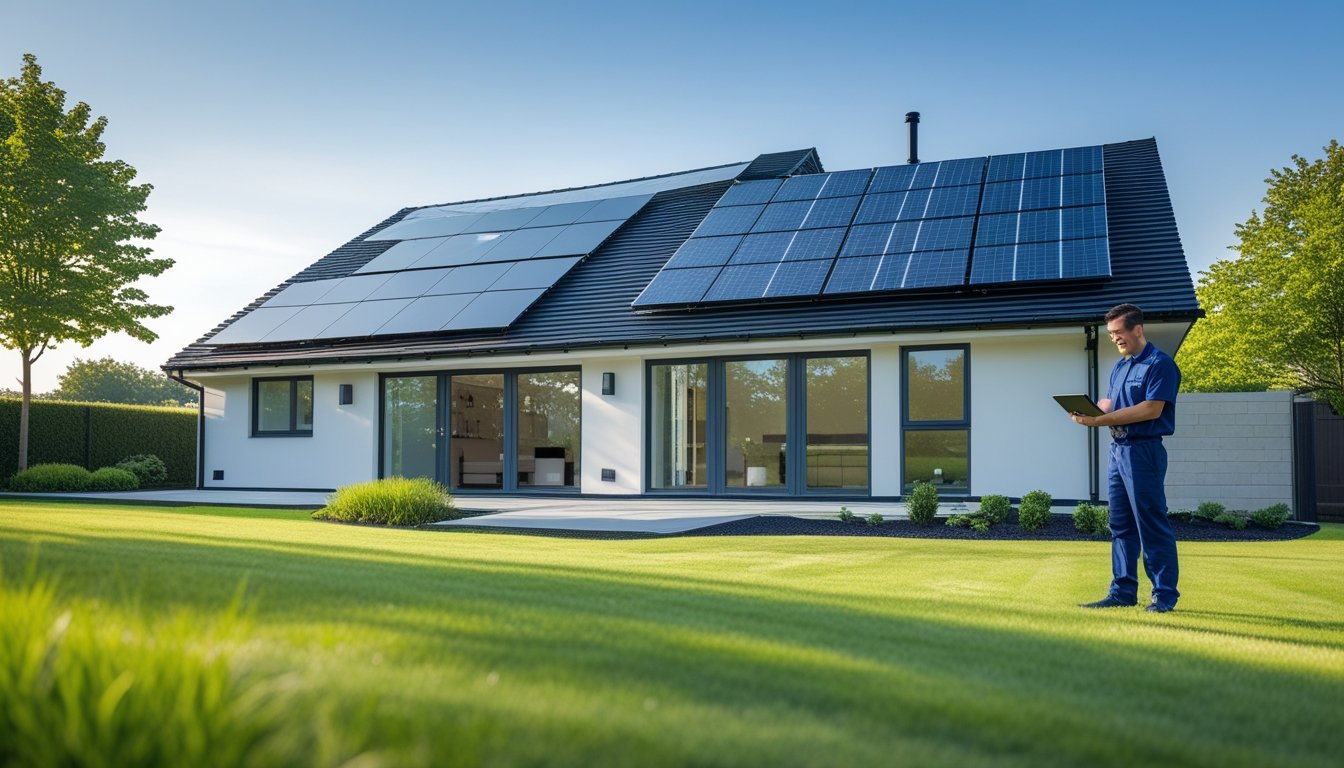
In the pursuit of reducing energy bills and improving the thermal performance of buildings, various measures and technologies play a pivotal role. Advances in insulation, heating systems, and retrofitting existing homes are spearheading the transformation towards more energy-efficient living spaces across the UK.
Insulation Standards and Innovations
Improving insulation is a critical step in boosting energy efficiency. Cavity wall insulation, loft insulation, and solid wall insulation are essential for reducing heat loss in homes. Cavity wall insulation is particularly effective in newer homes with masonry walls, creating an additional barrier to prevent heat escaping.
Meanwhile, loft insulation is crucial in homes where heat easily escapes through the roof. Innovations like triple glazing enhance efficiency by providing better airtightness and lower U-values, resulting in more energy savings. More recently, aerogel and vacuum insulation panels have been introduced, providing superior insulation with minimal thickness. Implementing these measures can significantly decrease energy consumption and lower energy bills for households.
Heating Systems and Low-Carbon Technologies
Heating systems have a substantial impact on home energy use. Traditional central heating systems are now being supplemented by more efficient technologies such as condensing boilers and condensing-combination boilers, which offer improvements in fuel efficiency. The integration of heat pumps, including air source heat pumps, represents a shift towards low-carbon heating solutions.
These pumps extract heat from the air or ground, providing a sustainable alternative to conventional systems. The installation of solar panels complements these advancements, enabling homes to harness renewable energy. Smart meters further enhance efficiency by allowing homeowners to monitor energy usage and adapt consumption patterns, promoting energy conservation.
Retrofitting the Existing Housing Stock
Retrofitting older homes is paramount in the UK, where a significant portion of the housing stock is owner-occupied dwellings, private rented accommodations, housing associations, and local authority properties. Upgrading insulation and heating systems in such homes can alleviate fuel poverty among fuel-poor households.
Efforts like improving airtightness and installing energy-efficient appliances contribute to enhanced energy savings. Local initiatives often provide support for these upgrades, particularly targeting bungalows and other single-storey structures that may experience higher heat loss. Retrofitting not only boosts energy efficiency but also improves living standards while reducing overall carbon emissions in line with environmental targets.
Frequently Asked Questions
The energy efficiency landscape in the UK has evolved through a series of key milestones that have reshaped regulations and practices. We explore how these changes influence energy consumption, building requirements, and the country’s carbon reduction goals.
What are the historic milestones in the development of energy efficiency regulations in the UK?
UK energy efficiency regulations have undergone significant transformations. The initial drive began in the 1970s with the oil crisis prompting first-efforts. This evolved over decades, with landmark policies like the Climate Change Act 2008 setting ambitious goals.
How have the changes in UK building regulations impacted energy consumption in recent years?
Recent amendments to building regulations have substantially improved energy efficiency in new constructions. Enhanced insulation standards and efficient heating systems have contributed to reduced energy consumption in homes and commercial properties, reflecting the UK's environmental commitments.
What role does the Green Deal play in the UK's approach to improving energy efficiency?
The Green Deal was introduced as an innovative financing mechanism. It allows homeowners to install energy-efficient measures without upfront costs, repaying through savings on energy bills. Though government funding has ceased, the green legacy endures in similar financing schemes.
What are the requirements for Energy Performance Certificates in UK property transactions?
Energy Performance Certificates (EPCs) are mandatory for property sales or rents, assessing a building’s energy efficiency from A to G. EPCs highlight potential improvements and must be renewed every ten years to remain valid. They play an essential role in compliance and transparency.
How does the UK's commitment to carbon reduction targets influence energy efficiency standards?
The UK’s ambitious carbon reduction targets drive continual updates to energy efficiency standards. A focus on reducing carbon footprints aligns with global agreements, pushing for tighter regulations and fostering innovation in energy-saving technologies across industries.
What incentives are available to UK homeowners to improve the energy efficiency of their homes?
Several incentives are designed to encourage energy efficiency improvements. These include the Renewable Heat Incentive, offering payments for sustainable heating solutions, and grants like the Energy Company Obligation that support low-income households in upgrading insulation and heating systems.