Late updated: 24 Dec 2025 12:12
Written by: Eleanor Hartman
Exploring UK Renewable Energy Storage Innovations: Advancements and Future Prospects
The landscape of renewable energy storage in the UK is transforming rapidly. With the nation striving to achieve net zero goals and combat climate change, innovative storage solutions have become crucial. Our focus extends across a diverse range of technologies, from advanced batteries to large-scale pumped hydro storage, each contributing to the integration of renewable energy sources into a cleaner energy grid.

Innovations in energy storage are key to bridging the gap between fluctuating renewable energy generation and consistent energy demand. As wind and solar power become increasingly prevalent, the need for reliable, efficient storage systems grows. By capturing excess energy when production is high and dispensing it during peak demand, these technologies promise greater energy security and reduced reliance on fossil fuels.
This transition is not only vital for our environment but also presents major economic opportunities. With new facilities emerging, the UK is set to lead in clean energy innovation. The potential for job creation in construction and maintenance further underscores the importance of these advancements. We are eager to explore how these technological innovations are shaping a sustainable energy future.
Key Takeaways
- UK energy storage innovations are vital for renewable integration.
- Storage technologies enhance grid reliability and reduce fossil fuel dependence.
- Advancements create economic opportunities and support net zero goals.
Key Innovations in UK Renewable Energy Storage
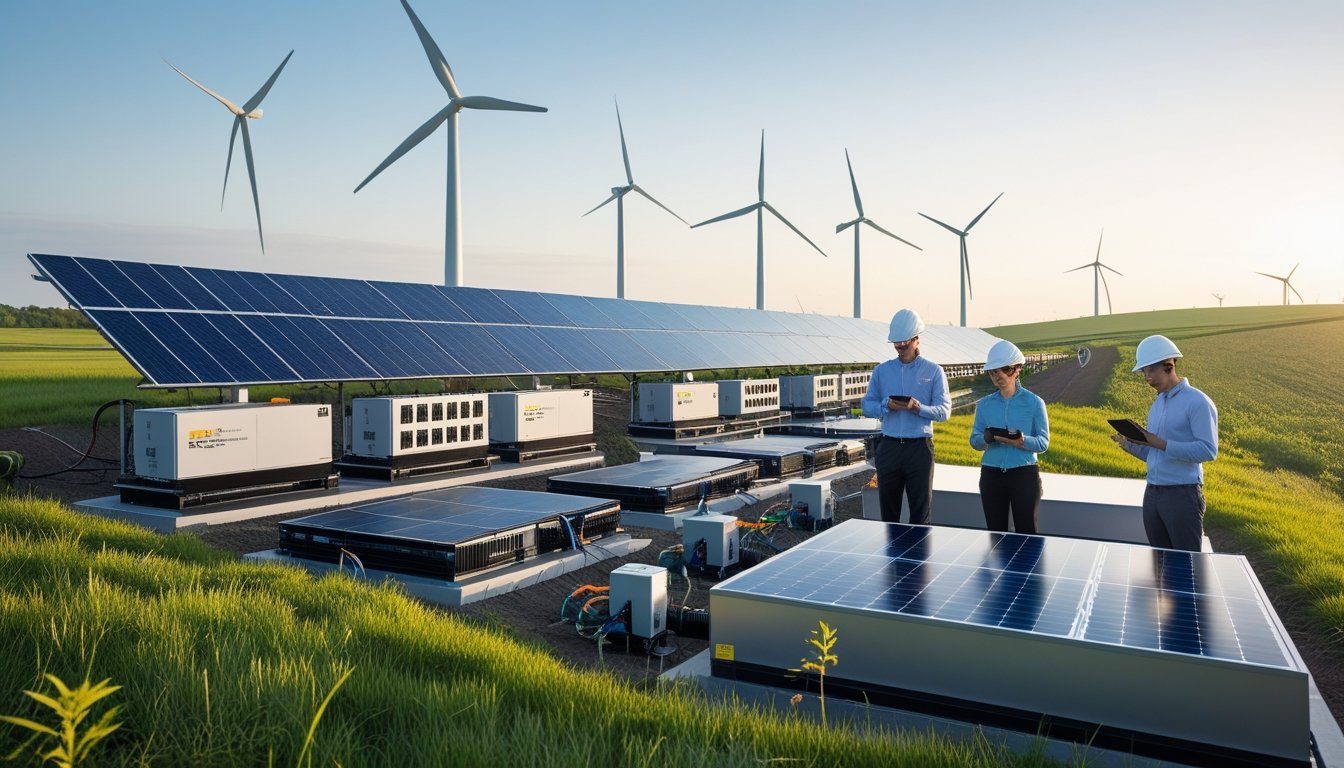
In the UK, recent innovations in renewable energy storage are facilitating a sustainable energy transition. From advancements in battery technologies to grid-scale storage systems and long-duration solutions, the country is working to increase storage capacities. This is crucial not just for meeting energy needs but also for maintaining environmental commitments.
Advancements in Battery Technologies
Battery technologies in the UK are rapidly evolving. Key developments are happening in lithium-ion, flow, and solid-state batteries. Lithium-ion batteries already dominate due to their versatility and efficiency but face challenges with cost and lifecycle. Innovations are addressing these issues, promising longer life spans and reduced costs. Meanwhile, flow batteries offer potential for superior scalability and operational life compared to conventional batteries.
Flow batteries store energy in liquid electrolytes contained within large tanks. This allows them to manage the intermittency intrinsic to renewable sources such as wind and solar. Improvements in battery chemistries are enhancing energy density and safety, pivotal for widespread adoption. These advances are setting the stage for significant first-time deployment across various energy projects in the UK.
Grid-Scale Storage Systems
Grid-scale energy storage systems in the UK are pivotal for managing the variability of renewable energy sources. Projects focusing on this have seen substantial investment, particularly in battery and thermal systems. Large-scale installations support stabilisation of the grid, providing load balancing and frequency regulation. Stationary energy storage solutions such as these are vital for accommodating fluctuations in renewable energy supply.
One recent focus area is the integration of electrochemical batteries with existing grid infrastructure. These systems aim to optimise energy storage capacity, reducing reliance on fossil fuels. By acting as buffers, they ensure a steady energy supply during peak usage times. Infrastructure development in this area propels us toward a resilient, decarbonised grid.
Long-Duration and Seasonal Solutions
Long-duration energy storage (LDES) is becoming critical to meeting seasonal energy demands. Innovative technologies like iron-air batteries and pumped hydro storage promise to deliver long-term storage solutions at reduced costs. These innovations extend the duration for which energy can be stored, making seasonal energy shifts more manageable.
UK projects are pioneering research into thermal energy storage and other LDES options, allowing energy captured during peak production to be redistributed when generation falls short. As research advances and these technologies become more affordable, they will likely form the backbone of a stable, sustainable energy system. Such developments are pivotal for aligning with UK government energy storage and environmental goals.
Emerging Technologies Transforming Grid Flexibility
As the UK strives to integrate renewable energy sources into the power grid, various technologies are emerging to enhance grid flexibility. These innovations focus on improved storage solutions and grid management, essential for accommodating the irregular generation patterns of wind and solar power.
Pumped Hydro and Mechanical Storage
Pumped hydro storage represents a cornerstone of grid flexibility efforts, leveraging gravitational potential for energy storage. This method efficiently addresses supply-demand imbalances, especially during peak periods. It involves pumping water to a higher elevation during low demand and releasing it through turbines to generate electricity when demand peaks. Compressed Air Energy Storage (CAES) and flywheel storage add to this suite of mechanical solutions. CAES utilises underground caverns to store pressurised air, releasing it to drive turbines during high electricity demand periods. Flywheel energy storage offers rapid response and supports frequency regulation by storing kinetic energy in rotating disks. Collectively, these technologies contribute to the reliability of the electricity grid by providing necessary frequency response and voltage support.
Thermal and Chemical Storage Innovations
Thermal energy storage systems, including molten salt and phase change materials (PCMs), are key players in fostering grid flexibility. Molten salt systems store heat from solar power plants, releasing it to generate electricity when solar generation wanes. PCMs, known for their ability to absorb and release large amounts of energy at specific temperatures, are employed to maintain energy supply during fluctuating demand. Furthermore, sensible thermal energy storage utilises materials like water or rocks to store excess heat, which can be reclaimed as needed. Thermochemical storage taps into chemical reactions that store and release energy, efficiently capturing waste heat and contributing to the energy grid's stability. Such innovations in thermal and chemical storage help in lowering greenhouse gas emissions and enhance energy security.
Hydrogen and Novel Storage Concepts
Hydrogen storage is gaining momentum as a flexible and scalable option for balancing renewable generation. With the capability to store vast quantities of energy, hydrogen provides ancillary services in the form of fuel cells, converting stored hydrogen back into electricity when needed. It plays a significant role in addressing the intermittency of renewable power sources, such as solar and wind. Additionally, the development of novel storage concepts, such as carbon-free chemical solutions, focuses on improving the energy grid's resilience and reducing environmental impact. These innovations are crucial in aligning with international commitments like the Paris Agreement, paving the way for a sustainable global energy transition. Through collective advancements in energy storage, we are better positioned to meet the demands of a modern, renewable-powered grid.
Frequently Asked Questions
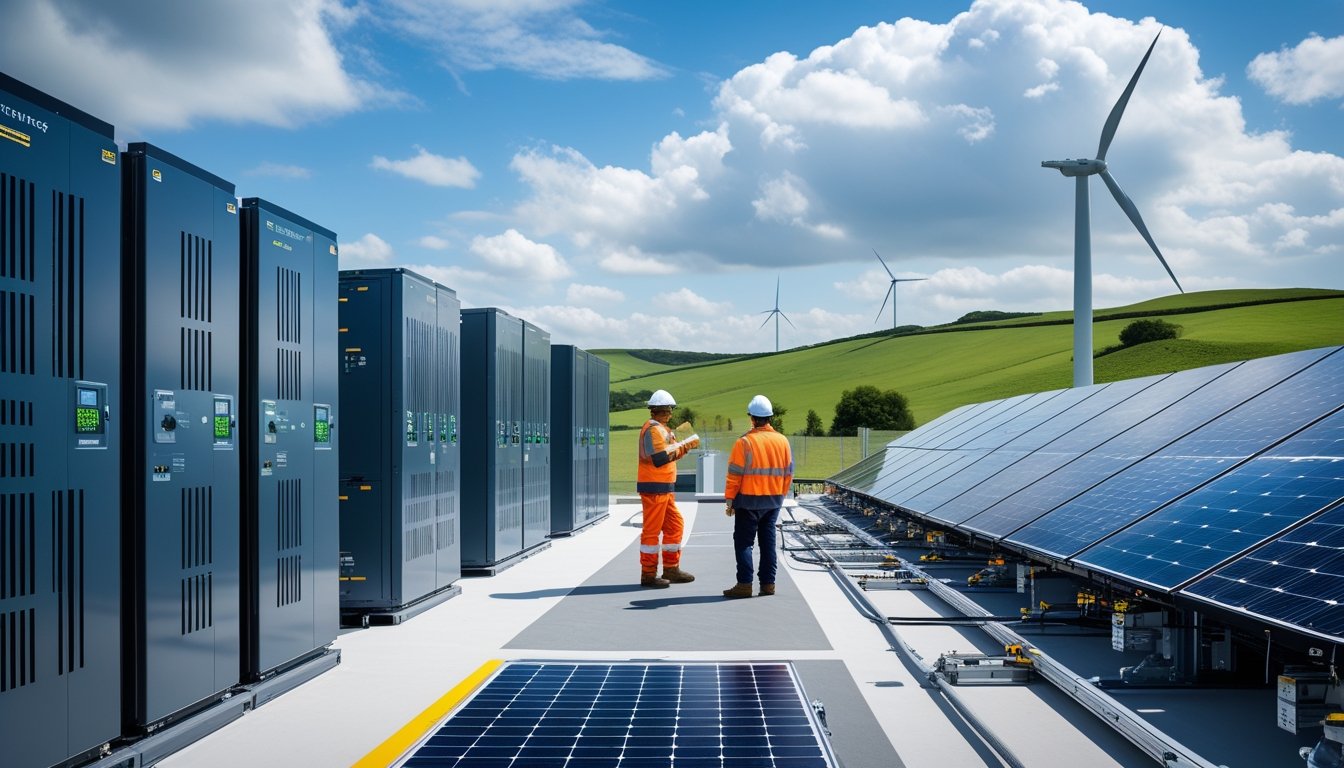
In the UK, innovations in renewable energy storage are progressing rapidly, crucial for achieving net-zero goals. Our government is actively bolstering technology development in this sector, ensuring grid stability and enhancing energy security.
What are the latest advancements in energy storage solutions in the UK?
The UK is witnessing significant advancements in energy storage technologies. Notable developments include the increased use of advanced lithium-ion batteries and exploration of solid-state batteries, which offer improved efficiency and longevity compared to traditional options. Additionally, the integration of long-duration storage technologies like pumped hydro is becoming more prevalent.
How is the Government supporting renewable energy storage technology development?
The UK Government has launched several initiatives to support renewable energy storage, including funding for research and development projects. This support aims to accelerate the deployment of innovative storage solutions and integrate them into the existing energy infrastructure. Policies are also being crafted to encourage investment in this critical area.
What role does battery storage play in the UK's renewable energy sector?
Battery storage plays a pivotal role in the UK's renewable energy sector by balancing the intermittent nature of renewable sources like wind and solar. Large-scale battery installations help store excess energy during periods of high generation, releasing it when demand exceeds supply. This capability is essential for maintaining energy supply continuity.
Can you explain the impact of energy storage on the UK's grid stability and energy security?
Energy storage enhances the UK’s grid stability by providing flexibility and reducing reliance on fossil fuels. It acts as a buffer, ensuring that energy supply matches demand, even during peak usage times or renewable energy generation lulls. Consequently, this contributes to the country's energy security by decreasing vulnerability to external energy supply disruptions.
Which companies are leading in the renewable energy storage market in the UK?
Several companies are at the forefront of the UK's renewable energy storage market. Key players like RenewableUK are actively involved in advancing storage technology and infrastructure. Companies such as Wood Mackenzie have highlighted significant future growth and leadership in large-scale energy storage installations.
How do emerging technologies like flow batteries and hydrogen storage contribute to the UK's renewable energy landscape?
Emerging technologies such as flow batteries and hydrogen storage are crucial for the UK's renewable energy landscape. Flow batteries provide a promising solution for long-duration energy storage, with their potential for lasting charge and discharge cycles. Hydrogen storage, meanwhile, offers a versatile and long-term option for energy supply during periods of low renewable output, complementing the flexibility of the energy grid.