Late updated: 12 Dec 2025 12:12
Written by: Eleanor Hartman
Exploring Wave Energy Potential in the UK: Opportunities and Challenges
Wave energy offers an exciting opportunity for the UK's sustainable energy future. As an island nation, the UK has access to vast wave energy resources, capable of playing a critical role in meeting the country's clean energy goals. Harnessing wave energy could significantly contribute to the UK's target of achieving Net Zero by 2050, providing a reliable and renewable power source while stimulating economic growth and job creation.
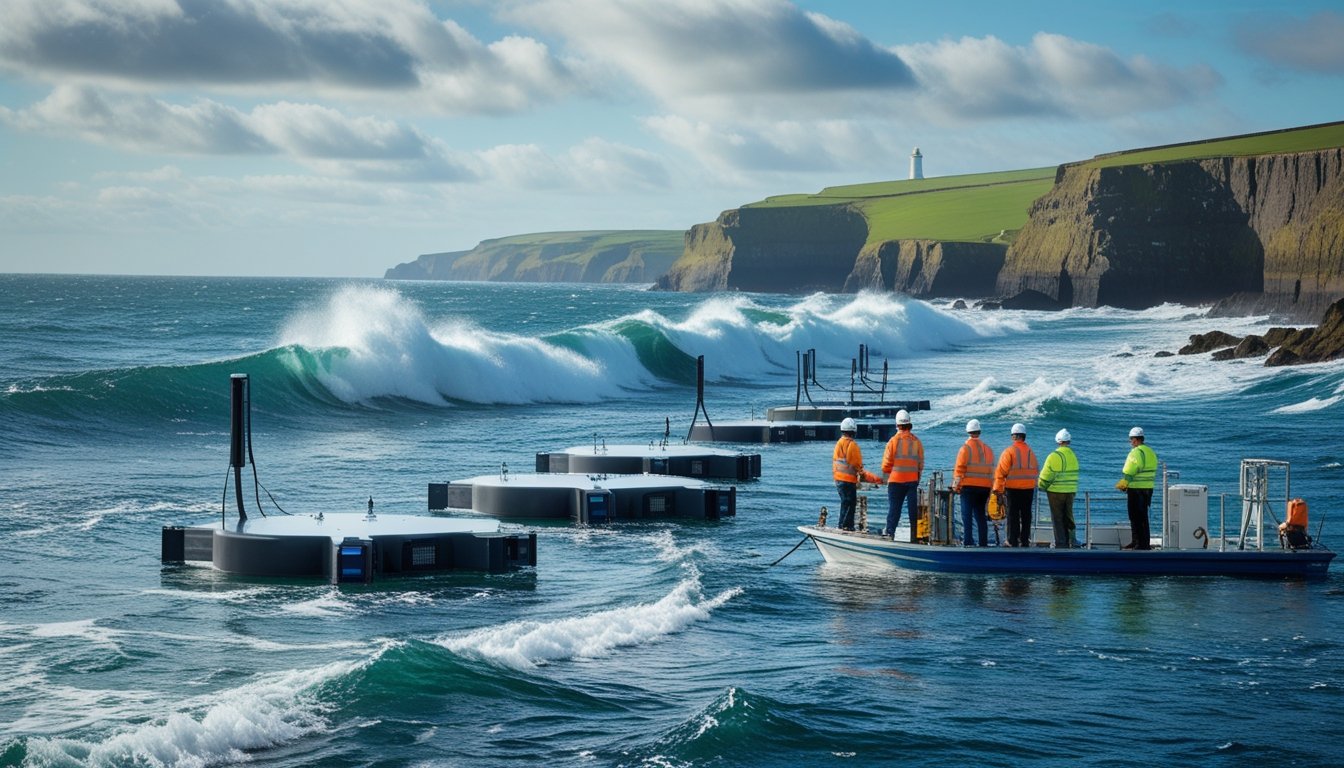
Wave energy not only addresses the urgent need to decarbonise, but it also presents technological and economic opportunities for the UK. A recent analysis suggests that wave energy could meet over 20% of the UK's electricity demand, underlining its potential as a major player in the renewable energy mix. As investment and interest in marine renewables accelerate, the UK is poised to become a leading hub for wave energy innovation.
The exploration of wave energy is more than just an environmental imperative; it's a chance for the UK to bolster its energy security and economic resilience. By capitalising on the available resources and advancing technological solutions, we can position ourselves at the forefront of this promising renewable energy frontier.
Key Takeaways
- Wave energy holds significant potential for the UK's renewable energy future.
- It could provide over 20% of current UK electricity demand.
- Advancing wave energy boosts UK economic and technological innovation.
Wave Energy Potential and Opportunities in the UK
The United Kingdom's geography offers a unique advantage for leveraging wave energy, allowing us to explore new avenues for sustainable energy generation. Our potential in marine energy can significantly contribute to the UK's electricity demand, making wave energy an integral part of our renewable energy strategy.
Current Wave Energy Resource Assessment
The UK boasts substantial wave energy resources, attributed to its extensive coastline and position in the North Atlantic Ocean. Research indicates that we have the potential to harness over 20GW of wave energy, equating to more than 20% of the nation's current electricity demand. The consistency of wave energy, derived from waves travelling across vast ocean distances, provides a reliable and continuous power source. This consistency establishes wave energy as a robust complement to other intermittent renewable energy sources such as wind and solar. Key sites for wave energy development have been identified along our western coasts, with several demonstration projects underway to refine the technology and improve cost-efficiency.
Comparative Advantages Over Other Renewables
Wave energy offers distinct advantages over other forms of renewable energy. Unlike solar and wind, wave energy has a more predictable output, driven by consistent tidal patterns and ocean conditions. This predictability aids in energy planning and grid integration. Furthermore, the energy density of waves is relatively high, allowing us to generate more power from smaller facilities compared to wind or solar installations. While solar panels and wind turbines require significant space, wave energy converters can be deployed offshore, minimizing land use and visual impact. Environmentally, wave energy systems have a lower ecological footprint, making them a sustainable choice for expanding our renewable energy capabilities.
Integration With the UK’s Renewable Energy Strategy
Wave energy plays a vital role in the UK's broader renewable energy strategy, which aims for zero carbon emissions by 2050. By incorporating wave energy, we diversify the energy mix, enhancing energy security and resilience against supply variability. The government and industry stakeholders are working towards strategic interventions to enhance infrastructure, legislative support, and financial incentives. These strategic efforts aim to transition wave energy from experimental to mainstream application, leading to significant economic benefits and job creation. Integration with the existing grid is imperative, requiring technological advancements in energy storage solutions to manage the intermittency and align supply with demand. Such initiatives are critical to achieving national energy goals while promoting a sustainable future for the UK.
Research, Innovation, and the Future of Marine Energy
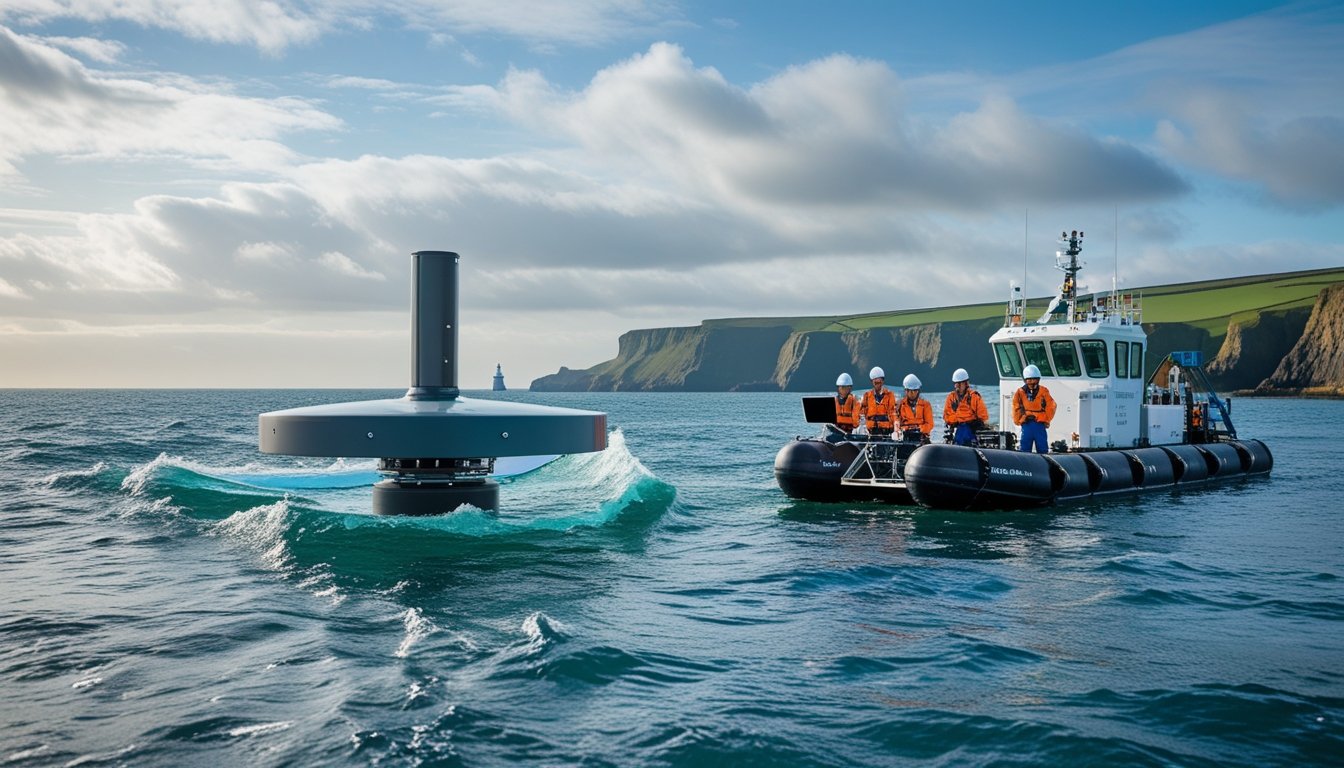
The UK stands at the forefront of marine energy research, driven by pioneering innovations and strong policy frameworks. Key players are leading the charge to harness the untapped potential of wave and tidal stream technologies that promise to contribute substantially to the nation's energy mix.
Recent Technological Advances in Wave and Tidal Stream
The march of technology has significantly advanced the capabilities of wave and tidal energy systems. Recent breakthroughs have enhanced both efficiency and reliability, with innovations aiming to maximise energy capture from ocean and tidal resources. Our seas hold immense potential, with wave energy alone playing a pivotal role.
Technological strides include the development of flexible systems and advanced materials that withstand harsh marine conditions. Enhanced computational modelling and data analytics, powered by artificial intelligence, have also improved predictive maintenance and operational efficiency. Such innovations are crucial for increasing the lifespan and reducing costs associated with marine energy installations, making the sector more attractive to investors and stakeholders.
Role of Policy and Market Support
Government policies and market dynamics play significant roles in shaping the marine energy landscape. The UK government, particularly through initiatives by the Scottish and Welsh administrations, has been pivotal in promoting marine energy technologies. These efforts are tailored to align with the UK's climate targets, notably the 2050 greenhouse gas emission goals.
We see essential components of this push include financial incentives, regulatory support, and research funding. By fostering a stable environment for marine energy, policymakers can encourage private investment, bringing promising projects to commercial viability. Public-private partnerships are key, as are collaborations with academic institutions like the University of Edinburgh, which continues to provide valuable research and development support.
Key Contributors in UK Marine Energy Research
The UK's research ecosystem is bolstered by a constellation of key contributors working within marine energy. Academic institutions, research hubs, and industry players collaborate to further the development of ocean energy technologies. The University of Edinburgh, alongside entities like the Supergen ORE Hub and Wave Energy Scotland, leads much of this groundbreaking research.
Their work spans from cutting-edge technology development to strategic policy recommendations. By bridging the gap between academia and industry, these institutions facilitate the translation of research into practical applications. This synergy is indispensable for addressing the diverse challenges of marine energy and ensuring it remains a cornerstone of the UK's renewable energy strategy.
Frequently Asked Questions
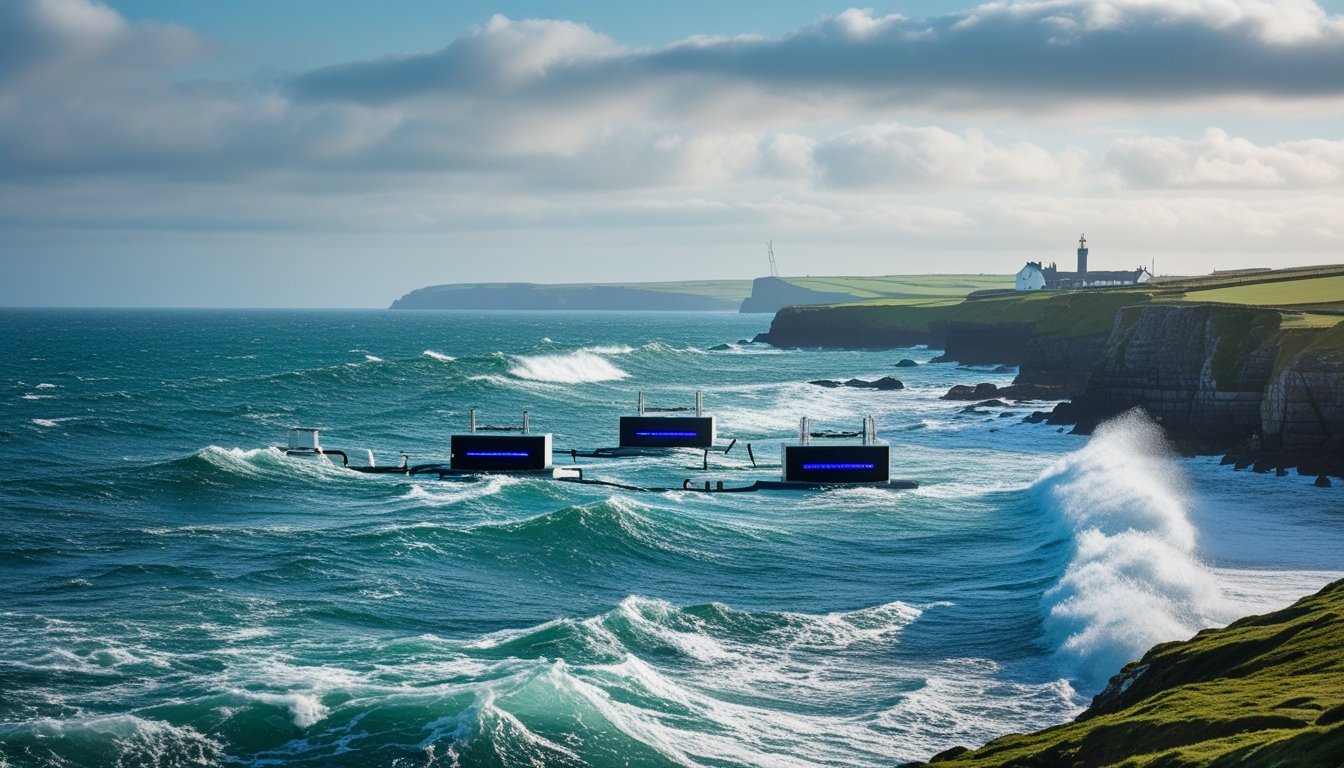
Our exploration into wave energy potential in the UK highlights key locations for development, government support mechanisms, and the expected capacity within territorial waters. Additionally, we address the technology and economic impacts, as well as ecological considerations.
What are the prime locations for wave energy generation in the UK?
Many of the UK's coastal areas have favourable conditions for wave energy generation, particularly those exposed to the Atlantic Ocean. Regions such as the Northern Isles, Western Isles, and the southwest coast of England are considered prime locations due to their strong wave resources.
How does the UK government support wave energy development?
The UK government has implemented several measures to support wave energy development. This includes funding programmes, regulatory frameworks, and incentives designed to attract investment and promote innovation in renewable energy technologies.
What is the estimated capacity for wave energy in UK territorial waters?
Studies suggest that the UK has a significant wave energy potential, estimated to exceed 20GW. This could provide roughly 20% of the country's electricity needs, making it a vital component of the UK's renewable energy strategy.
How does wave energy impact marine ecosystems in the UK?
While wave energy offers a clean energy source, it requires careful consideration of its potential impacts on marine ecosystems. We must conduct environmental assessments to ensure that the deployment of wave energy systems is sustainable and does not harm local wildlife or habitats.
What are the technological advancements in wave energy conversion in the UK?
Recent advancements in wave energy conversion technology have focused on improving efficiency and reliability. Innovations include the development of robust wave energy converters that can withstand harsh marine environments and more effective energy extraction methods.
What are the economic implications of investing in wave energy for the UK?
Investing in wave energy can bolster the UK economy by creating jobs and stimulating growth in the renewable energy sector. Additionally, it can reduce reliance on imported fuels and contribute to achieving national energy security and climate goals.