Late updated: 30 Nov 2025 11:11
Written by: Eleanor Hartman
Innovative Sustainable Home Design Ideas For The UK: Transform Your Living Space
Exploring innovative sustainable home design ideas is essential for those of us in the UK who are eager to reduce our carbon footprint and embrace energy efficiency. The design landscape is evolving with rapid strides towards eco-friendliness, offering us numerous options to create homes that don’t just meet aesthetic goals but also align with sustainability standards. Eco-friendly building methods such as using sustainable materials and incorporating renewable energy sources can significantly decrease our energy consumption and reduce overall environmental impact.

As we look into the fundamentals of sustainable home design, it's clear that blending technology with nature is key to modern living. By integrating smart technologies with environmentally conscious building practices, we can pave the way for homes that not only preserve but also enhance their surrounding environments. The potential to balance comfort and environmental responsibility is an exciting prospect for UK homeowners seeking to make responsible choices.
Together, let's delve into these innovative solutions and uncover how they bring a fresh perspective to home design. These ideas are not just concepts for the future; they are actionable solutions for today, allowing us to transform our living spaces into paragons of sustainability while contributing positively to our community and environment.
Key Takeaways
- Sustainable home design reduces energy consumption.
- Innovations blend technology with eco-friendly practices.
- Modern solutions are immediately actionable.
Fundamentals of Innovative Sustainable Home Design in the UK
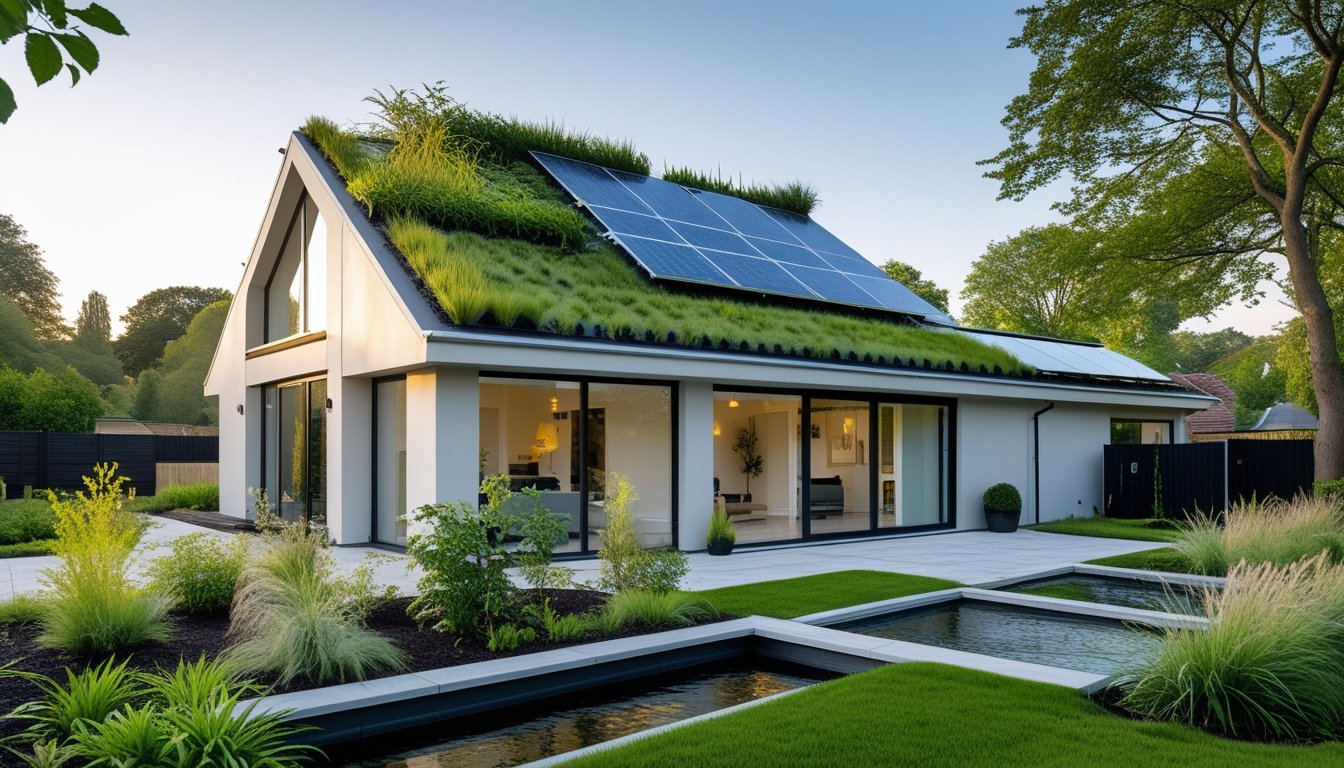
Our exploration of sustainable home design in the UK focuses on core components like optimising natural resources, ensuring structural efficiency, and enhancing living conditions. Each aspect reinforces the goal of creating homes that are both environmentally responsible and comfortable for inhabitants.
Passive Design Strategies and Orientation
Maximising natural energy sources is pivotal in sustainable home design. By orienting buildings to enhance solar gain, we can significantly reduce energy consumption. South-facing windows capture sunlight during winter months, naturally warming interiors.
Incorporating thermal mass materials, such as concrete or stone, helps to retain and redistribute this heat, maintaining a stable indoor temperature. Strategic placement of windows and shading not only controls light and heat but also supports natural ventilation. The combination of these passive design strategies reduces reliance on artificial heating and cooling, aligning with energy efficiency goals.
High-Performance Insulation and Airtightness
Effective insulation is essential in maintaining thermal efficiency. High-performance materials limit heat transfer, ensuring warmth in winter and coolness in summer. We prioritise options like triple-glazed windows and advanced insulating materials that enhance thermal performance.
Achieving airtightness is equally crucial as it prevents uncontrolled air leakage. Homes designed to be airtight require less energy to heat and cool, resisting outdoor temperature effects. Implementing detailed sealing techniques around doors, windows, and structural elements is important. Adhering to building regulations in the UK is mandatory to ensure homes meet required efficiency standards.
Ventilation and Indoor Air Quality Standards
Ventilation systems are integral to maintaining indoor air quality. Adequate airflow mitigates moisture issues and removes pollutants. We utilise Mechanical Ventilation with Heat Recovery (MVHR) systems which reclaim heat from outgoing air to warm incoming fresh air, enhancing energy efficiency.
Proper ventilation ensures humidity control, reducing the risk of mould and improving health outcomes. Regulatory standards dictate fresh air needs, and our design strategies incorporate these requirements to improve living conditions. Through carefully designed systems, we balance airtightness with ventilation to optimise comfort and air quality simultaneously.
Passivhaus and Energy-Efficient Building Techniques
Passivhaus standards represent the pinnacle of energy-efficient design. These techniques focus on rigorous building envelope performance, ensuring minimal energy for heating and cooling. By integrating superior insulation, airtight construction, and optimised window placement, we achieve reduced energy demands.
Passivhaus buildings often incorporate comfort ventilation, offering excellent indoor climate conditions. Energy-efficient windows and MVHR systems are standard features in these buildings, ensuring minimal energy waste. Our commitment to Passivhaus principles leads to sustainable homes that are cost-effective in long-term operation, highlighting the potential for high comfort with low energy use.
Innovative Sustainable Design Solutions for Modern UK Homes
As we explore innovative sustainable design solutions for modern UK homes, we focus on integrating renewable energy, utilising sustainable materials, and enhancing water efficiency. These strategies not only address environmental concerns but also promote healthier living spaces.
Renewable Energy Integration and Smart Technology
Embracing renewable energy sources is pivotal for modern UK homes striving for sustainability. Solar panels and air source heat pumps play a significant role in reducing reliance on gas boilers and cutting carbon emissions. By generating clean energy, homeowners can achieve net-zero carbon emissions while also benefiting from lower energy bills. Battery storage systems further enhance this by storing excess energy for later use, ensuring a consistent power supply even when the sun is not shining.
Smart home technology, including smart thermostats and lighting, offers additional efficiency. These technologies allow for precise control over energy use, optimising comfort and reducing waste. Smart technology not only enhances efficiency but also offers convenience and potential cost savings, making it a valuable addition to any eco-friendly home.
Sustainable Building Materials and Recycled Resources
The choice of building materials significantly influences the sustainability of a home. Sustainable building materials such as reclaimed wood, stone, and timber offer both durability and environmental benefits. Using recycled materials reduces the demand for new resources and minimises waste. These materials, including lime plaster and hempcrete, provide natural insulation, maintaining warmth without the need for excessive heating.
When selecting materials, we should also consider the wider implications on the environment. Eco-friendly design choices, like using non-toxic or low-VOC paints, ensure healthier indoor air quality. By focusing on sustainable materials, we contribute to a reduction in carbon emissions and promote a more environmentally conscious building approach.
Water-Saving Solutions and Rainwater Harvesting
Water efficiency is another crucial aspect of sustainable home design. With water use on the rise, integrating water-saving solutions is essential. Implementing features such as low-flow taps and dual-flush toilets can significantly reduce water consumption. Low-flow plumbing fixtures maintain functionality while using less water, contributing to both environmental benefits and lower utility costs.
Rainwater harvesting systems collect and store rainwater for use in gardens and non-potable applications. By using rainwater, we can further decrease reliance on mains water supplies. These systems are not only practical but also promote awareness of sustainable water practices, encouraging a shift towards more resourceful living.
Biophilic Design, Wellbeing, and Eco-Friendly Finishes
Incorporating biophilic design features in a home connects inhabitants with nature, enhancing wellbeing and comfort. Large windows, strategic lighting, and indoor plants can transform a living space into a soothing environment, promoting health and relaxation. The presence of natural elements in a home boosts mood and productivity.
Using eco-friendly finishes like non-toxic paints supports this approach by maintaining a healthier indoor environment. Low-VOC paints reduce the release of harmful chemicals, ensuring cleaner indoor air. These design choices not only improve quality of life but also create spaces that are both aesthetically pleasing and sustainably efficient, aligning with the broader goals of eco-friendly housing.
Frequently Asked Questions
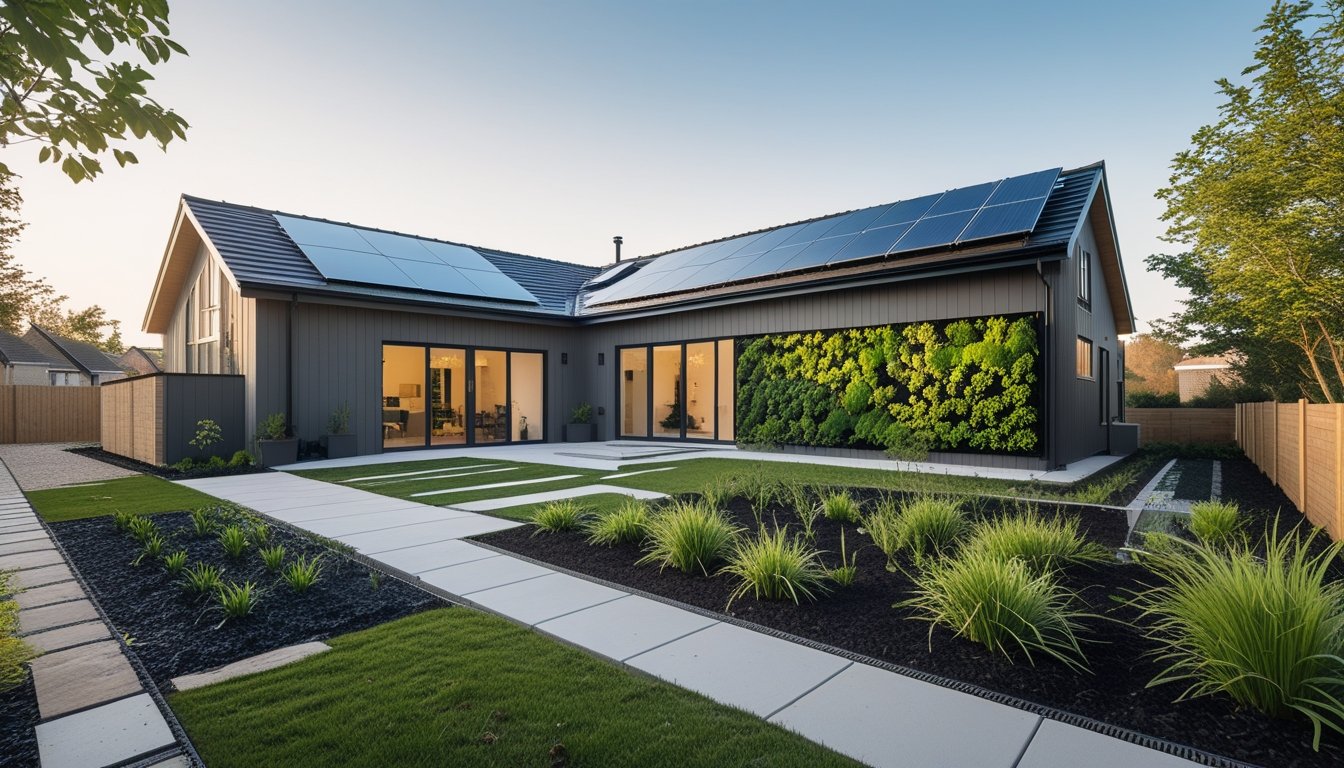
In today’s UK home construction landscape, energy efficiency and sustainability are pivotal. Let’s explore essential energy-efficient materials, renewable energy integration, and water conservation, alongside the role of smart technology and the importance of waste management and urban gardens.
What are the leading energy-efficient building materials currently used in UK home construction?
In the UK, sustainable construction often incorporates materials such as timber, hempcrete, and recycled steel. These materials provide excellent insulation and structural integrity while reducing the carbon footprint. The use of triple-glazed windows is also prevalent, promoting better energy retention.
How can UK homeowners effectively integrate renewable energy sources into their home design?
Homeowners in the UK can benefit significantly by installing solar panels, which convert sunlight into energy efficiently. Additionally, ground source and air source heat pumps are popular choices for heating solutions, offering sustainable alternatives to traditional systems. Embracing renewable energy contributes to lower energy bills and a reduced environmental impact.
What water conservation features are most effective in modern UK homes?
Water conservation in modern homes includes the adoption of rainwater harvesting systems and dual-flush toilets. Low-flow fixtures, such as taps and showerheads, are also increasingly used to minimize water wastage without sacrificing performance, ensuring responsible resource use.
How does smart home technology contribute to sustainable living in the UK?
Smart home technology, such as programmable thermostats and smart lighting systems, optimises energy consumption by allowing users to control usage patterns per their needs. These technologies not only enhance convenience but also contribute significantly to reducing energy costs and usage.
In terms of sustainability, what are the best practices for waste management during the UK home design and construction process?
Effective waste management begins with planning; using materials that reduce waste, like prefabricated components. Recycling of construction debris is also essential. By partnering with eco-friendly waste disposal services, builders can ensure that minimal waste is sent to landfills, promoting a more sustainable construction process.
What are the key considerations for creating a sustainable urban garden space in UK homes?
Creating a sustainable urban garden involves selecting native plants that thrive in local climates and require less water. Incorporating composting practices helps recycle organic waste and enriches the soil naturally. Raised beds can be used for efficient space utilisation, making urban gardening both practical and sustainable.