Late updated: 28 Dec 2025 11:12
Written by: Eleanor Hartman
The Benefits Of Solar Energy In British Seasons: Sustainable Advantages Year-Round
Exploring the benefits of solar energy in British seasons reveals fascinating insights into how this renewable resource adapts to varying weather conditions. The British climate, often unpredictable, presents unique challenges and opportunities for solar power. Our approach focuses on understanding these seasonal variations to unlock the full potential of solar energy, ensuring sustainable and clean energy production no matter the time of year.
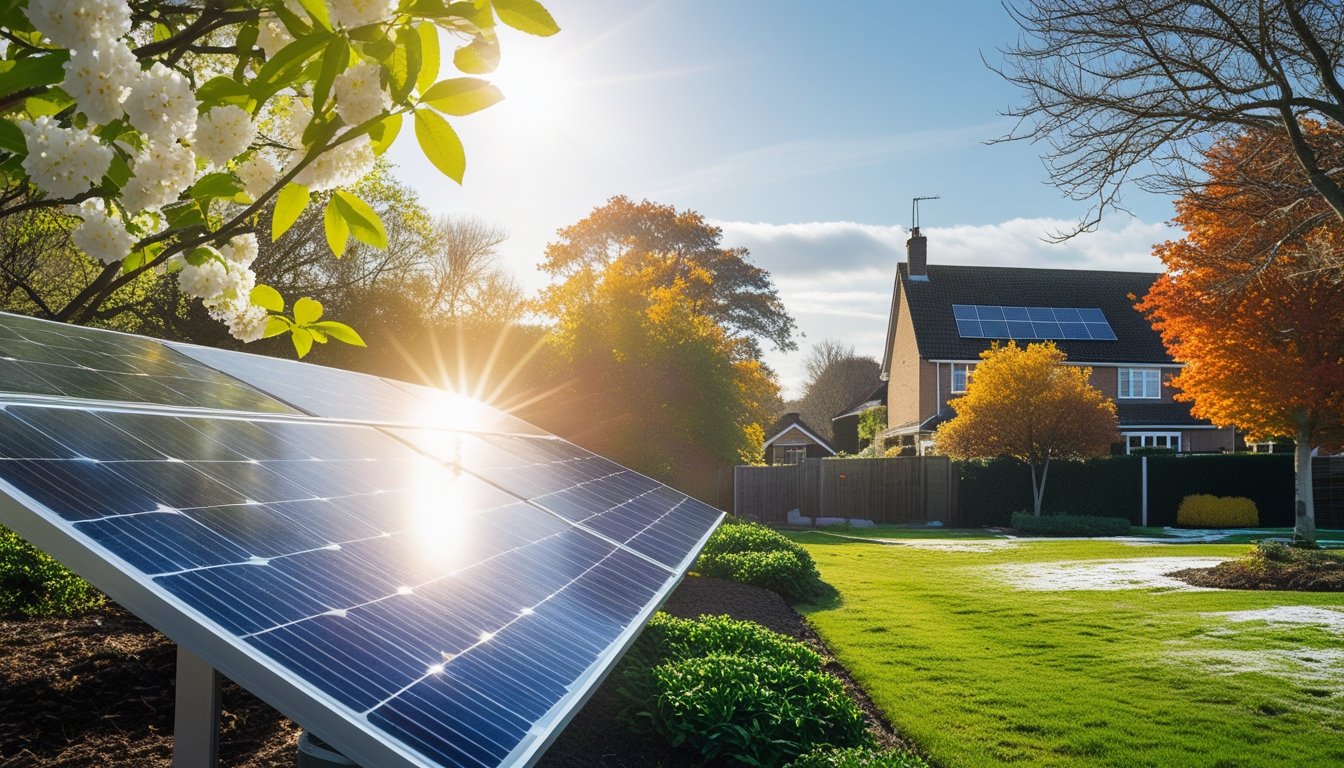
While summer naturally provides the most sunlight and boosts solar performance, the less sunny months also play a vital role in annual energy yields. Solar panels in the UK can still deliver reliable and predictable performance across all seasons, making them a worthwhile investment for harnessing renewable energy. By selecting appropriate technology and strategies, we can maximise energy savings and minimise the impact of fluctuating weather patterns.
With the right knowledge and tools, we can transform the British climate into an advantage rather than a hurdle. Our exploration into year-round solar benefits not only highlights energy efficiency but also showcases the cost-saving advantages of adopting clean energy solutions.
Key Takeaways
- British seasons offer unique opportunities for solar energy.
- Solar panels perform reliably across all seasons.
- Year-round strategies maximise solar benefits and savings.
How Solar Energy Performs Through the British Seasons
In the UK, the performance of solar energy is heavily influenced by the changing seasons. This includes factors such as daylight hours, cloud cover, and weather patterns, all impacting how solar panels produce energy.
Impact of Seasonal Daylight Hours on Solar Output
Daylight hours vary significantly with the seasons, affecting solar output throughout the year. During summer, longer daylight hours lead to increased solar irradiance, providing optimal conditions for solar panels to generate energy. Solar energy production is at its peak, as panels can capture more sunlight over extended periods. On the other hand, winter presents a stark contrast with its shorter days and reduced solar radiation. This results in decreased solar output, necessitating careful planning for energy storage. For us, understanding this pattern helps optimise solar panel usage, ensuring consistent performance despite the seasonal shifts.
Understanding Cloud Cover and Diffused Sunlight
Cloud cover is another crucial factor affecting solar energy production in the UK. The British weather is notorious for its overcast days, which can diffuse sunlight and reduce direct solar irradiance. Although this might seem like a drawback, diffused sunlight isn't entirely negative. Modern solar panels are designed to capture and convert even diffused solar radiation efficiently. As clouds scatter sunlight across the sky, panels can still function, albeit less effectively than on clear days. Emphasising the adaptability of solar technology, we find that panels can maintain a steady energy output even when direct sunlight is lacking.
Effects of Seasonal Weather Patterns on Solar Panel Efficiency
Weather patterns, including temperature and precipitation, impact solar panel efficiency throughout the year. During warmer months, higher temperatures can reduce the efficiency of solar panels, as they perform optimally at moderate temperatures. Conversely, cooler temperatures in autumn and spring can enhance panel performance due to reduced thermal stress. Rainfall, typical in British weather, can initially seem detrimental. However, it plays a beneficial role by naturally cleaning panels, removing dust and debris that could block sunlight. By appreciating the nuances of UK weather, we ensure that our solar systems are well-prepared to harness energy efficiently, regardless of the season.
Maximising Year-Round Solar Energy Benefits in the UK
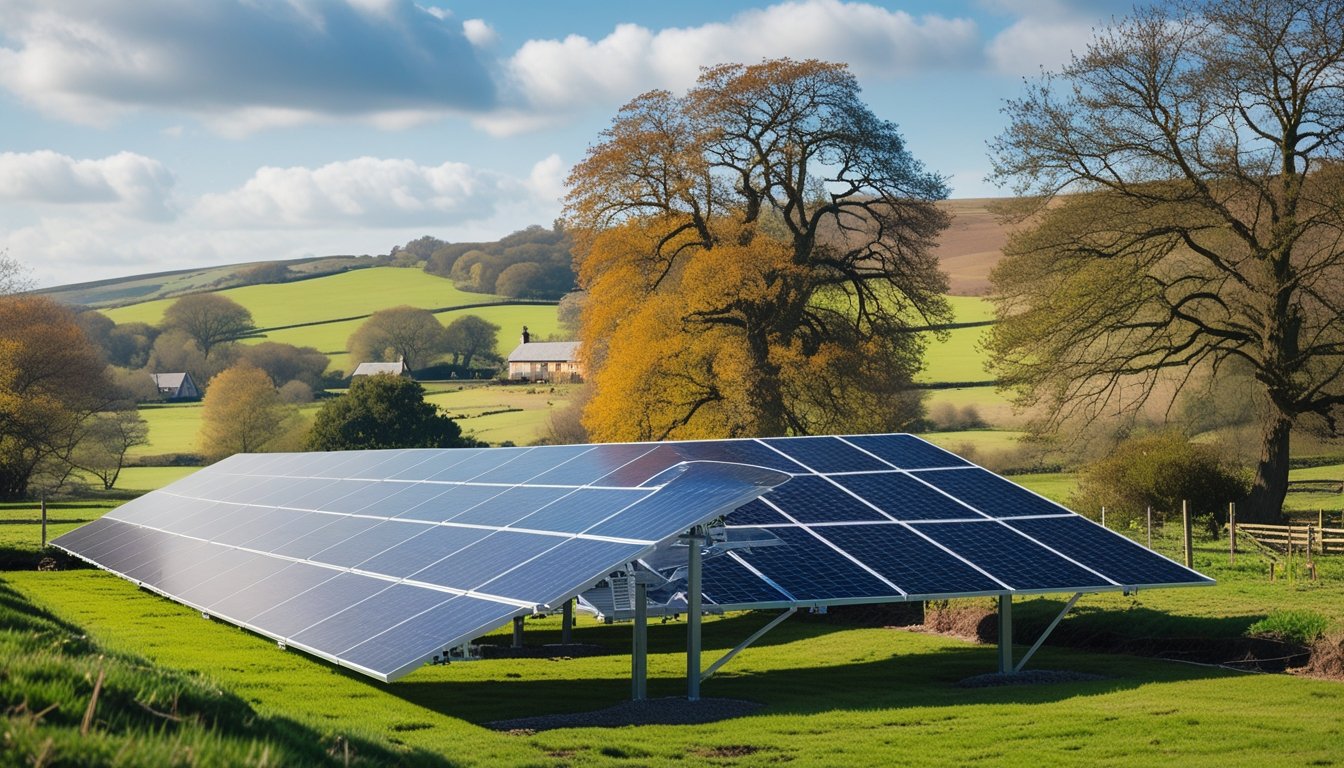
In the UK, the potential of solar energy can be fully tapped by focusing on several key strategies. Proper solar installation, efficient energy storage, and regular maintenance ensure solar panels perform optimally throughout the changing seasons.
Optimising Solar Installation and Placement
Strategically installing and positioning solar panels is crucial for maximising energy capture all year round. Panels should ideally face south at an angle that best captures the sun’s rays, typically between 30 to 40 degrees. This orientation ensures maximum exposure during peak sunlight hours. Additionally, avoiding shading from nearby trees or buildings is vital for maintaining consistent solar output. Geographic considerations are also important; for example, tilted roofs in the northern regions may require different adjustments compared to those in the south. Using high-quality technology, such as bifacial solar panels, can increase efficiency by capturing light on both sides.
Energy Storage Strategies and Battery Solutions
Leveraging effective energy storage solutions allows us to make the most of solar energy generated during sunnier days. By using battery storage systems, we can store excess energy for use during periods of low sunlight, such as cloudy days or night-time. Lithium-ion batteries are a popular choice due to their efficiency and longevity. It’s important to size battery systems appropriately to meet household or business energy demands. Additionally, integrating smart technology can help in monitoring energy usage and optimising battery discharge. By doing so, we ensure that the energy captured is utilised in the most effective way possible, supporting both sustainability and cost-efficiency.
Maintenance and Monitoring for Seasonal Performance
Regular maintenance and monitoring are essential in ensuring consistent performance of solar panels throughout the year. This involves routine cleaning to remove debris, snow, or any obstructive materials that may reduce efficiency. Regular inspections by professionals can identify potential faults or damage that could impact solar energy production. Furthermore, employing monitoring systems helps track energy generation and usage, allowing us to adjust and optimise our systems accordingly. In particular, during winter, it’s beneficial to check that panels are free from snow and operate at their best despite shorter daylight hours. Regular maintenance not only prolongs the lifespan of solar installations but also maximises their output across all seasons.
Frequently Asked Questions
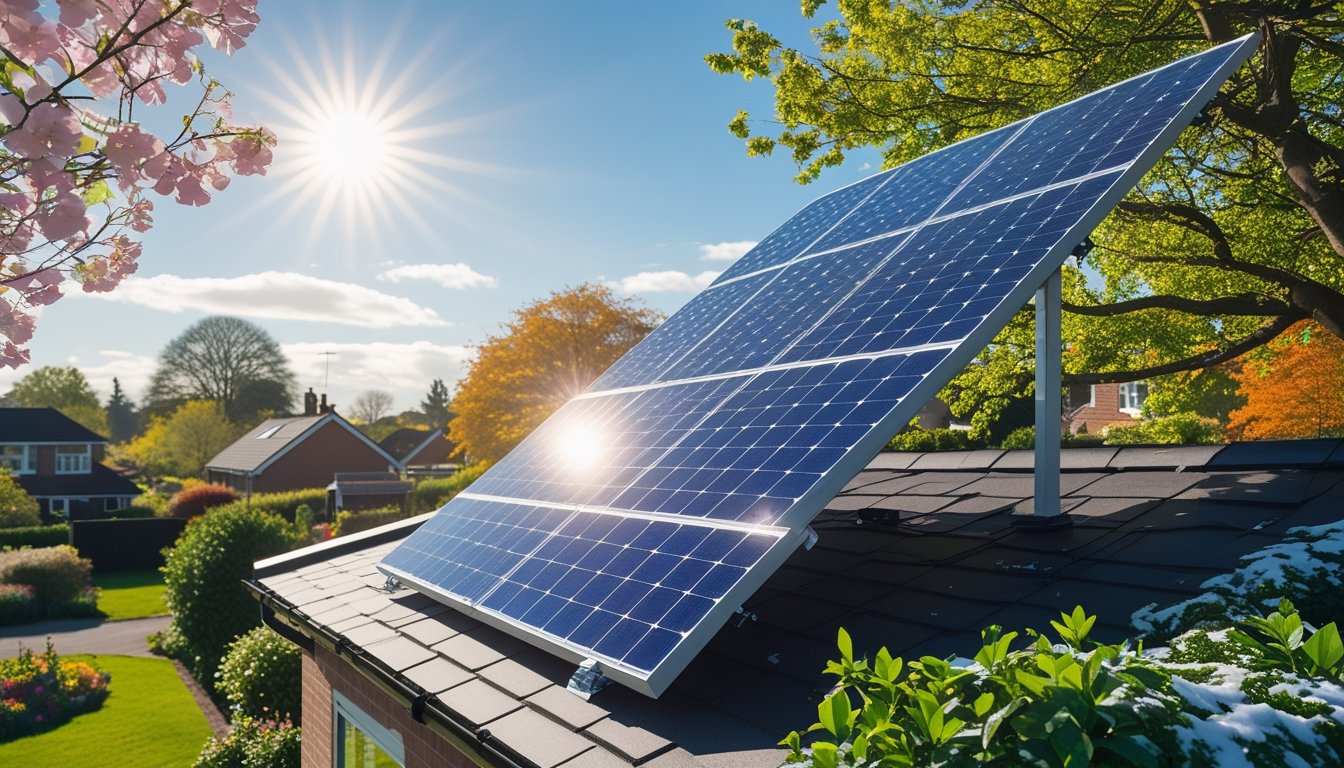
In the diverse climate of the UK, the productivity of solar energy systems faces seasonal challenges and advantages. By understanding how solar panels perform throughout the year and what financial incentives are available, we can make informed decisions about adopting solar technology.
How does solar power productivity vary across different British seasons?
Solar power productivity can fluctuate significantly across the British seasons. In summer, longer daylight hours and higher sun angles enhance energy generation. Conversely, winter sees shorter days and lower sun angles, which can reduce output, although solar systems are designed to function efficiently even under these conditions.
What are the cost-saving benefits of installing solar panels in the UK?
Installing solar panels in the UK can lead to substantial cost savings on electricity bills. By generating our own electricity, we reduce reliance on the grid, leading to lower energy costs over time. The initial investment in solar can be offset by these savings, making it a financially viable option for many households.
Can solar energy systems in the UK provide enough power during the winter months?
During the winter months, solar energy systems can still provide a significant amount of power, although output may be lower compared to summer. Modern solar panels are efficient even in cloudy conditions, making them suitable for the British climate. Many systems are complemented by battery storage to optimise usage throughout the year.
What government incentives are available for British homeowners to transition to solar energy?
The UK government offers several incentives to encourage homeowners to transition to solar energy. The Smart Export Guarantee (SEG) allows us to earn money by selling excess power back to the grid. Additionally, there may be grants or financing options available to reduce the initial cost of installation.
How do longer daylight hours in the UK summer impact solar energy generation?
Longer daylight hours during the UK summer significantly boost solar energy generation. With more hours of sunlight, solar panels have a greater opportunity to convert light into electricity. This peak in production helps offset lower generation in the winter months, balancing annual energy output.
What advancements in technology improve solar panel efficiency in overcast conditions common in Britain?
Recent advancements in solar technology have improved the efficiency of solar panels under overcast conditions. Innovations such as bifacial panels and enhanced photovoltaic materials allow panels to capture diffuse light more effectively. These improvements make solar a reliable energy source in the UK's frequently cloudy weather.