Late updated: 02 Jan 2026 10:01
Written by: Eleanor Hartman
Emerging Trends In Sustainable UK Energy Solutions: Future Innovations And Challenges
As we navigate an era of significant transformation, the UK's shift towards sustainable energy solutions stands at the forefront of environmental and economic priorities. The rapid adoption of renewable energy and innovative technologies such as battery storage and smart grids is redefining our energy landscape. These advancements not only promise a reduction in carbon emissions but also pave the way for a more resilient and efficient energy system.
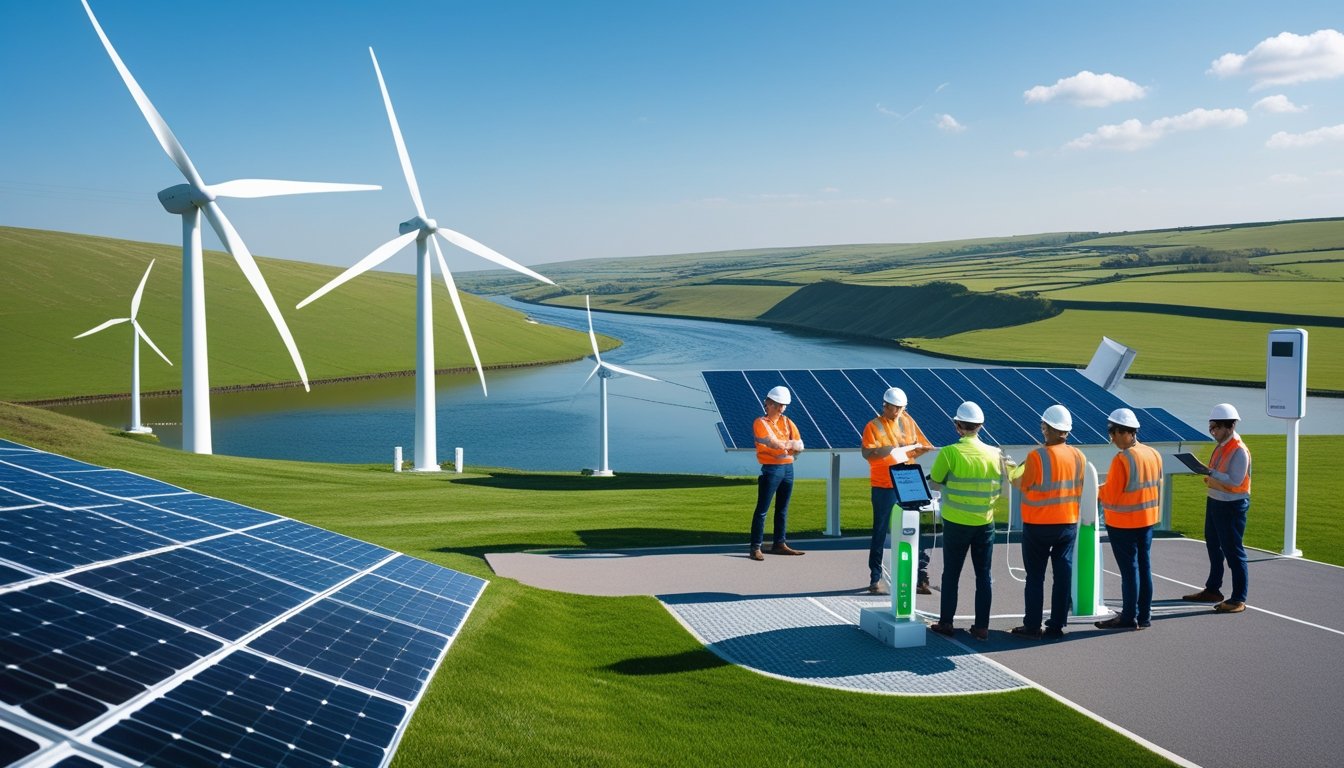
Our exploration into emerging trends reveals that sustainable energy initiatives are heavily supported by progressive policies and frameworks, aiming to boost renewable capacity and decrease dependency on fossil fuels. Innovations like vehicle-to-grid technology and smart home integration are becoming vital components of the UK’s green strategy and energy future.
Keeping pace with these changes is essential for anyone interested in the UK’s energy transition, from policymakers and industry leaders to the public at large. The unfolding developments impact industries, economies, and our daily lives, motivating us to embrace new solutions and practices.
Key Takeaways
- UK's energy shift focuses on renewables and innovative technologies.
- Strong policy support is crucial for decreasing fossil fuel reliance.
- Emerging technologies enhance efficiency in the energy sector.
Key Drivers and Policy Frameworks Shaping UK Sustainable Energy
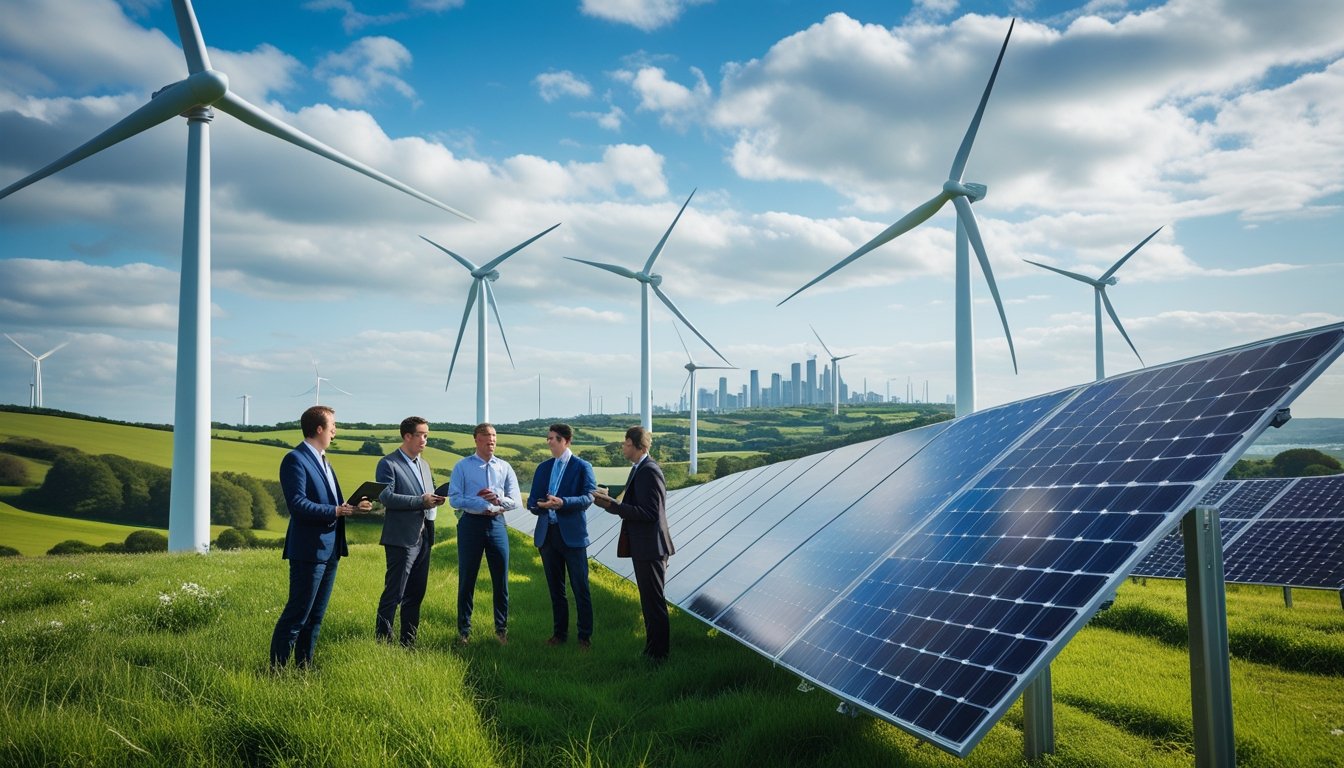
In recent years, the UK's approach to sustainable energy has evolved significantly. This section examines the policy frameworks and financial mechanisms that are propelling the UK towards its ambitious energy goals, focusing on legislative acts, government bodies, and the role of finance.
Net Zero by 2050 and UK Renewable Energy Targets
The commitment to achieving net zero carbon emissions by 2050 is a cornerstone of the UK's energy policy. This target aligns with the broader European goals to combat climate change, and it necessitates a significant transformation in the nation's energy system. UK renewable energy targets aim to shift a substantial portion of energy production from fossil fuels to clean sources such as wind, solar, and nuclear power. Offshore wind farms, in particular, are a key focus, with plans to quadruple capacity by 2040. These initiatives are critical for reducing reliance on carbon-intensive energy sources and meeting our decarbonisation objectives.
Legislation: Climate Change Act 2008 and Energy Act 2013
The Climate Change Act 2008 was a groundbreaking piece of legislation that made the UK the first country to legally establish a long-term framework for reducing greenhouse gas emissions. It set the stage for carbon budgets, which provide legally binding limits on the total amount of greenhouse gases the UK can emit over a five-year period. Moreover, the Energy Act 2013 introduced the power to designate a Strategy and Policy Statement (SPS) for energy. This SPS is a critical tool for aligning regulatory frameworks with national policy objectives, ensuring coherent energy governance.
Government Bodies and Sector Governance
The Department for Energy Security and Net Zero (DESNZ) plays a vital role in overseeing the UK's energy policy landscape. This department is responsible for setting the strategic direction to secure energy supply while meeting emissions reduction targets. Institutions like Ofgem, the energy regulator, support these goals through the implementation of policies designed to incentivise sustainable practices. Stakeholder engagement is another critical element, with Regional Energy Strategic Plans that involve local governments, network companies, and consumers, ensuring that regional characteristics are considered in national strategies.
Role of Green Finance in Energy Innovation
Green finance is pivotal in accelerating energy innovation in the UK. This financial approach focuses on funding projects that promote environmental sustainability, providing capital for renewable energy projects and infrastructure improvements. Efforts under the Great British Energy Act have channelled public investment towards the establishment of publicly owned energy enterprises, enabling more significant investments in technologies such as hydrogen and carbon capture. By integrating green finance into the fabric of policy, the UK is not only attracting investors but also ensuring that energy transformations are economically feasible and socially equitable.
Emerging Technologies and Trends in Sustainable UK Energy Solutions
The UK's energy landscape is evolving with a focus on sustainability, featuring innovations in renewable generation and enhancements in energy storage. Key developments include the widespread adoption of offshore wind, the use of onshore wind technologies, and advancements in green hydrogen production.
The Evolving UK Energy Mix and Renewable Generation
The UK's energy mix has been dramatically transformed by the increase in renewable electricity generation. Offshore and onshore wind farms play pivotal roles, with offshore capacity expanding rapidly. Notably, floating offshore wind technology is emerging as a game-changer, allowing installations in deeper waters where winds are stronger and more consistent. Onshore wind continues to contribute significantly, with community-driven projects boosting local economies and supporting national energy security. As renewable energy sources have begun to outpace fossil fuels, we are witnessing an era where clean energy dominates the electricity grid.
Advancements in Energy Storage and Grid Modernisation
To maintain grid stability and capacity, advancements in energy storage systems have become paramount. Battery Energy Storage Systems (BESS) are at the forefront, offering solutions for balancing supply and demand. These systems provide critical support for renewable integration by storing excess energy generated during peak production times and releasing it when needed. Meanwhile, the National Electricity System Operator (ESO) is working to modernise the grid through smart grids and the Internet of Things (IoT). These technologies enhance energy transmission and improve efficiency by enabling real-time monitoring and intelligent energy distribution.
Offshore Wind, Onshore Wind, and Green Hydrogen Developments
Investing in offshore wind is essential to our renewable strategy, with a focus on expanding both traditional and floating offshore wind farms. These efforts are supplemented by onshore wind projects that continue to deliver clean energy. In addition, the production of green hydrogen presents significant potential for facilitating a low-carbon economy. This clean fuel offers versatile applications, from powering vehicles to supporting industrial processes, helping us reduce dependency on fossil fuels. Combined, these technologies are driving the UK towards a more sustainable and resilient energy future.
Frequently Asked Questions
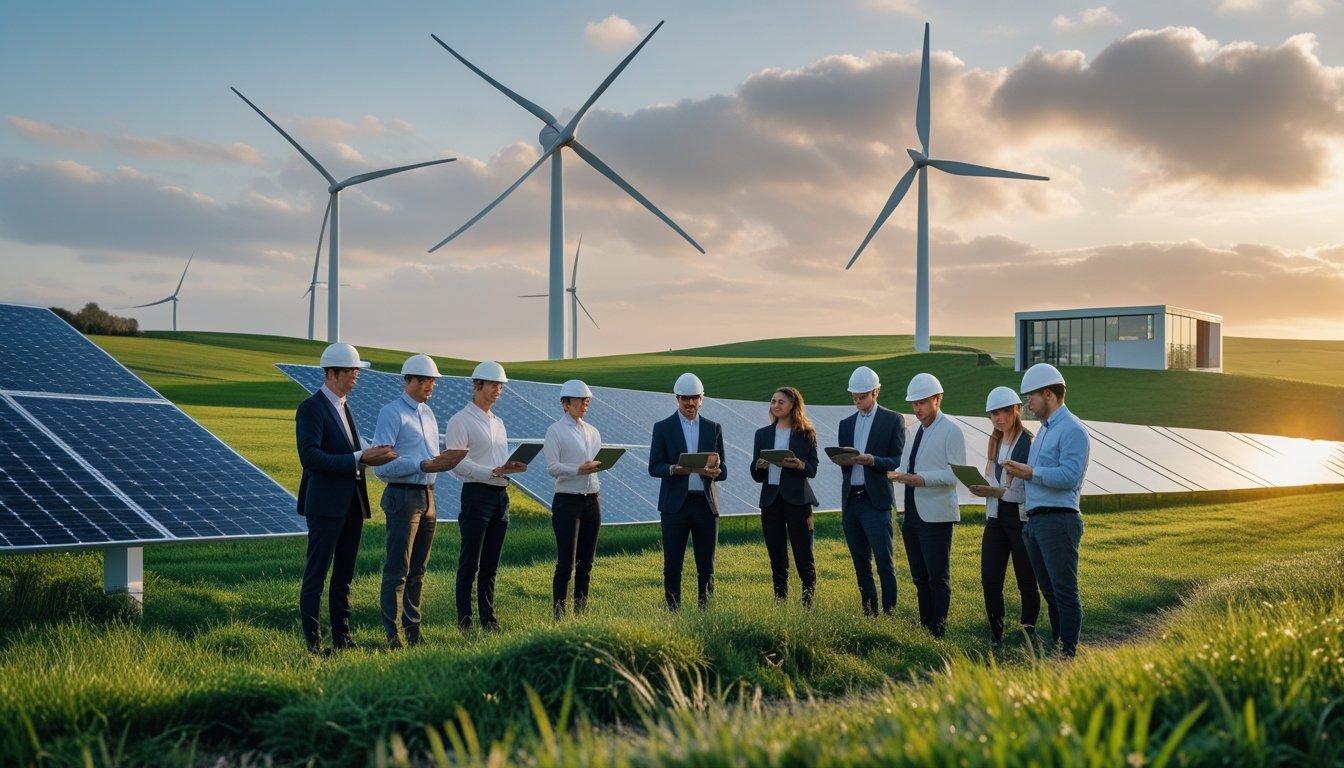
In the UK, a significant transformation is underway towards sustainable energy solutions. Our focus includes renewable energy sources, government policies driving greener practices, and the integration of smart technologies into energy systems.
What are the leading renewable energy sources currently being developed in the UK?
The UK is actively developing several leading renewable energy sources. Offshore wind farms are a major focus, capitalising on the UK's favourable geography. Solar energy also remains important, with ongoing investments in photovoltaic technologies. Additionally, biogas and tidal energy are emerging areas of interest due to their potential to contribute to a carbon-neutral energy mix.
How is the UK government incentivising the adoption of sustainable energy practices?
The UK government is committed to encouraging sustainable energy practices through a variety of incentives. Financial grants and subsidies are offered to support the installation of renewable technologies. Furthermore, the government implements regulatory frameworks such as the Contracts for Difference scheme, providing guaranteed prices for low-carbon electricity. This creates a financially sustainable environment for renewable energy investment.
In what ways is smart technology being integrated into the UK's energy systems to enhance sustainability?
Smart technology is revolutionising how we approach energy sustainability. Smart meters are being widely deployed, enabling more efficient energy consumption for households and businesses. Advanced grid systems and energy management software are being utilised to balance supply and demand efficiently. These technologies promote not just energy savings but also greater consumer control over energy usage.
What initiatives are in place to encourage businesses and households to reduce their carbon footprint?
Various initiatives aim to drive reductions in carbon footprints across the UK. There are targeted schemes, such as tax reductions for installing energy-efficient systems. Public awareness campaigns are actively promoted to educate consumers on the benefits of reducing energy consumption. Additionally, businesses are offered incentives like carbon credits for adhering to emissions reduction targets.
How are emerging technologies like energy storage transforming the UK energy landscape?
Energy storage technologies are pivotal in transforming energy consumption patterns, particularly through batteries and thermal storage solutions. They enable better integration of intermittent energy sources like solar and wind by storing excess energy during low demand periods. This capability reduces reliance on fossil fuels and provides stability to the national grid.
What role does the UK play in global efforts to advance offshore wind energy?
The UK is a global leader in offshore wind energy, with some of the largest offshore wind farms in the world. Our expertise and innovation drive significant international collaborations and knowledge sharing. By setting ambitious wind energy targets, the UK not only meets domestic energy needs but also contributes to international climate goals.