Late updated: 07 Jan 2026 09:01
Written by: Eleanor Hartman
The Impact Of Renewable Energy On UK Wildlife: A Comprehensive Overview
Renewable energy is transforming the UK's landscape, presenting both opportunities and challenges for local wildlife. As we transition away from fossil fuels, installations like solar farms offer a chance to support biodiversity by potentially hosting greater numbers of birds and other wildlife compared to traditional agricultural land. The right management and planning can ensure that renewable energy developments actually contribute to wildlife conservation rather than compromise it.
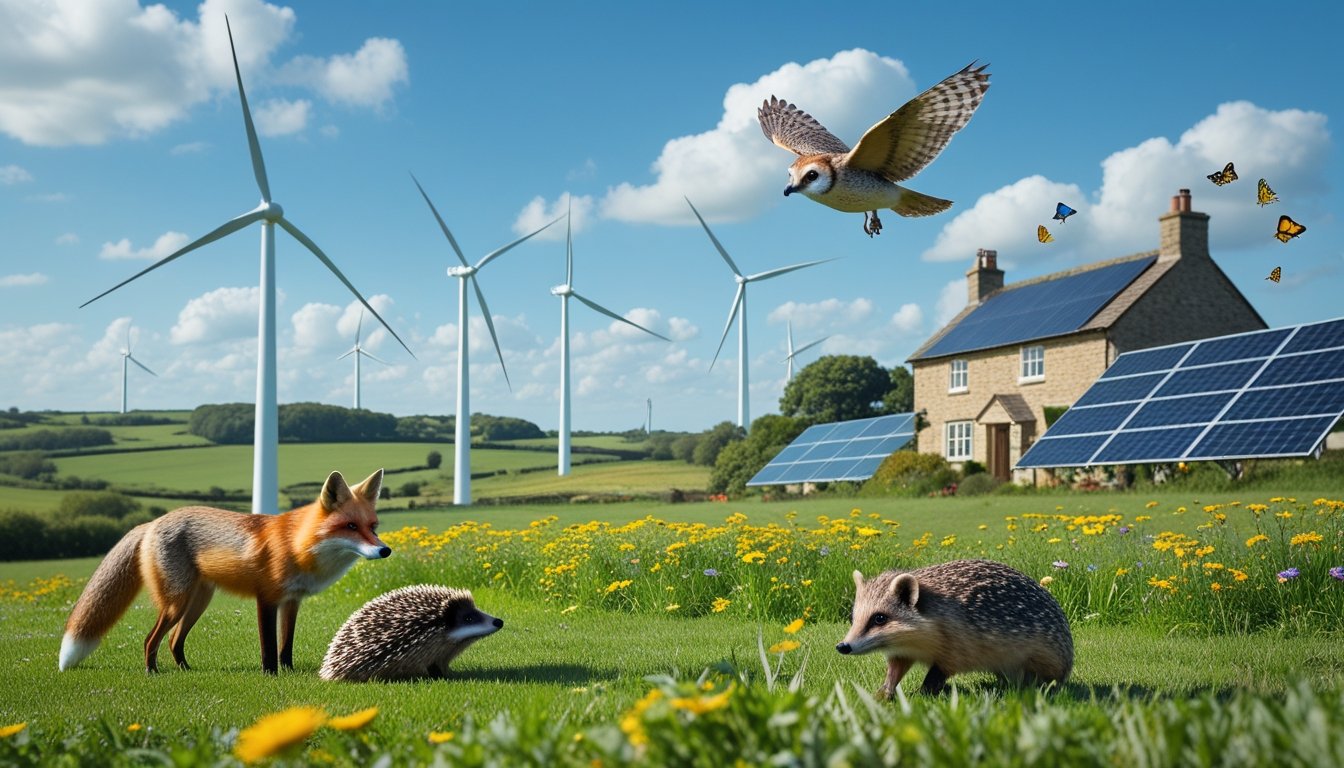
Public concerns linger about the environmental impact of large-scale renewable projects, notably solar and wind farms. These concerns are valid, yet they underscore the importance of adopting strategies that harmonise renewable energy infrastructure with ecological preservation. Effective mitigation measures can prevent habitat loss and minimise disruptions to natural ecosystems.
As our commitment is to reach net zero by 2050, alignment between clean energy goals and wildlife protection becomes critical. By focusing on strategic planning and innovative solutions, we can ensure that renewable energy serves as a force for ecological good, ensuring a sustainable co-existence between technology and nature.
Key Takeaways
- Renewable projects can support biodiversity with proper planning.
- Effective strategies reduce wildlife habitat loss.
- Renewable energy goals must align with wildlife protection.
Effects Of Renewable Energy On UK Wildlife And Habitats
Renewable energy sources like solar and wind power are vital in addressing climate change, yet they come with ecological considerations. Solar farms can support certain bird species, while wind energy may pose threats to birds and bats. Understanding these dynamics helps us make more informed environmental choices.
Biodiversity Outcomes Of Solar Farms
Solar farms can promote biodiversity if managed correctly. The establishment of these farms can create new habitats in otherwise agricultural areas. For example, field margins left to flourish around solar panels may attract a variety of species. Yellowhammer and linnet are among the bird species that can benefit from these habitats. Additionally, intensively managed solar farms can contribute to food security and improve habitat connectivity.
The planting of hedgerows and other vegetation within solar sites enhances the environment for red-listed birds like the skylark and nightingale. Research from the University of Cambridge supports the potential for increase in bird numbers under these conditions. Balancing solar flux and biodiversity can pave the way for more harmonious integration of solar energy into our landscapes.
Impacts Of Wind Energy On Birds And Bats
Wind energy is a simpler solution to reducing carbon emissions, yet it poses significant risks to wildlife, particularly birds and bats. Wind turbines in regions like East Anglia are known to cause bird fatalities due to collisions, affecting species such as the corn bunting and even contributing to the decline of protected sites. Birds like seabirds and raptors are at particular risk from the blades.
The effect on bats is equally concerning. Bat collisions and barotrauma are issues that need comprehensive study to mitigate their impacts. Offshore wind installations may reduce some local impacts on land species but create other complexities, like habitat disruption. Efforts by institutions like Lancaster University are vital in advancing our comprehension and implementation of mitigation strategies to foster a sustainable coexistence between wind energy and wildlife.
Ecological Risks And Species Of Conservation Concern
Renewable energy projects can inadvertently threaten critical habitats and species of conservation concern. The East Anglian fens and similar landscapes face challenges from infrastructure development related to both solar and wind energy, potentially leading to habitat loss. Agricultural intensification around these projects can further exacerbate biodiversity loss.
Red-listed birds and other species that rely on specific habitat conditions may be most affected. The Ivanpah Solar Electric Generating System has been cited for its unintentional impacts on wildlife in its vicinity. To prevent similar outcomes, we must enforce strict wildlife conservation measures. Collaborating with conservation bodies, such as the RSPB, we can develop strategies that benefit both energy security and the preservation of our crucial ecosystems.
Management, Planning And Mitigation Strategies For Nature-Friendly Renewable Energy
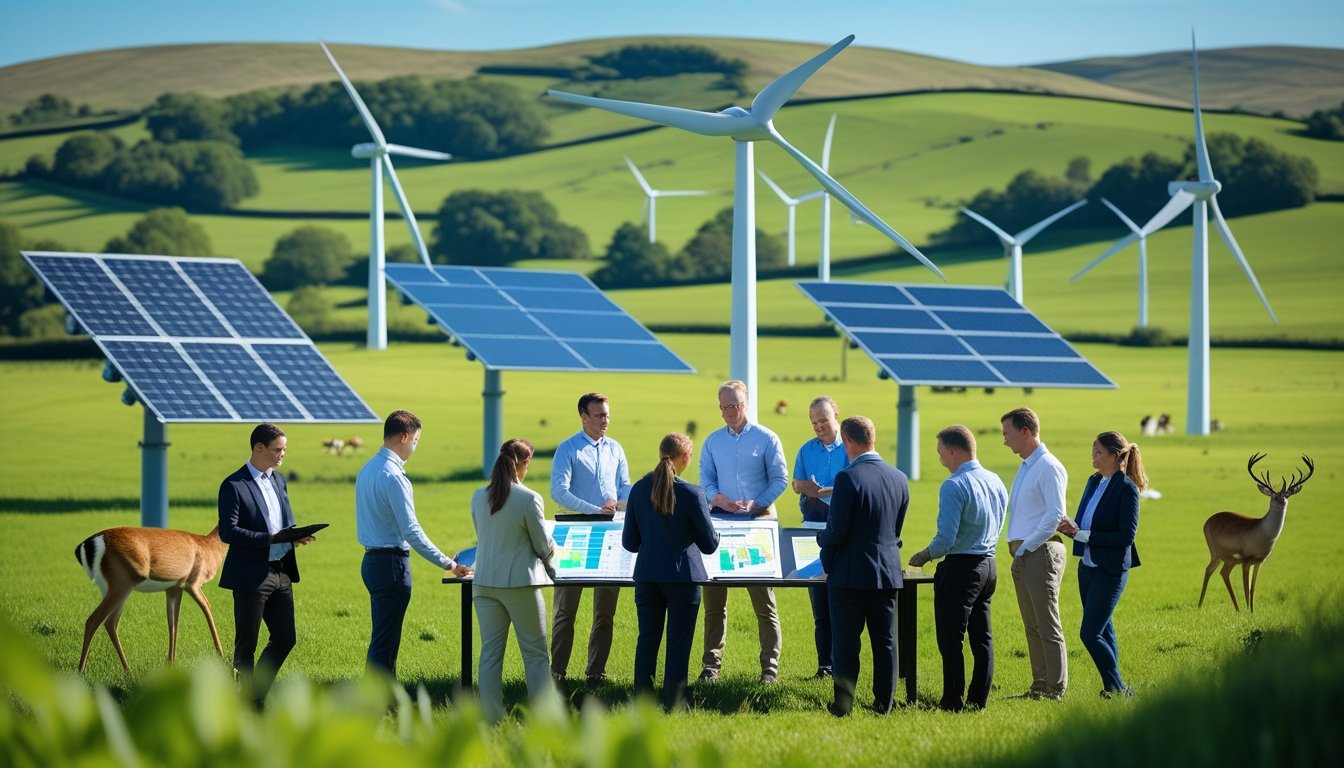
To ensure renewable energy projects in the UK are both sustainable and supportive of local ecosystems, a strategic approach is essential. This covers effective management of solar farms, thorough environmental assessments, and initiatives that enhance biodiversity.
Best Practice In Solar Farm Management
In managing solar farms, it is crucial to harmonise energy production with ecosystem preservation. One approach involves integrating agrivoltaics, where solar panels are installed on agricultural land. This dual-use strategy allows us to maintain food production while generating renewable energy. Moreover, adopting grazing management, using livestock to maintain grasslands beneath solar panels, supports habitat diversity and minimises mowing-related disturbances.
Efficient land use planning combines the use of Geographic Information Systems (GIS) to ensure minimal ecological impact. For instance, GIS can help identify areas less sensitive to the construction of solar infrastructure. Regular environmental monitoring enables us to adjust management practices to better meet biodiversity objectives. These efforts together ensure that solar energy production does not come at the cost of local wildlife.
Environmental Impact Assessments And Site Selection
Conducting a thorough Environmental Impact Assessment (EIA) is a foundational step in planning new renewable energy projects. An EIA evaluates potential ecological risks and informs site selection processes. Effective assessment identifies the least disruptive locations for solar farm development, helping us avoid areas with high biodiversity value.
Site selection is particularly important in regions where land use pressures are high. It requires a balance between optimising solar exposure and preserving habitats. Dr Catherine Waite highlights the importance of a strategic framework to guide decision-making in this context. Using a land use framework aids in aligning development with conservation, ensuring the long-term sustainability of these projects.
Biodiversity Net Gain And Habitat Restoration
Biodiversity Net Gain (BNG) is an approach we embrace to ensure that development results in a positive impact on local ecosystems. This involves restoring or creating new habitats to offset any adverse effects from construction activities. For instance, enhancing existing hedgerows or planting native vegetation around solar farms supports local wildlife.
Incorporating habitat restoration into the planning process can significantly boost ecological resilience. This requires collaboration with ecologists to identify the best restoration practices tailored to the specific needs of the local environment. By prioritising BNG, we ensure renewable energy developments not only minimise harm but actively contribute to biodiversity enhancement.
Frequently Asked Questions
In this section, we explore how renewable energy initiatives intersect with wildlife in the UK. Our aim is to provide clear insights into some pressing questions about the ecological implications and potential strategies for coexistence.
How does wind turbine installation affect bird and bat populations?
Wind turbines, while pivotal for clean energy, can pose threats to birds and bats. The movement of turbine blades has been known to result in collisions, particularly for species that fly in turbine-sited areas. Strategies such as careful siting and technological solutions aim to mitigate these risks.
What are the implications of offshore wind farms on marine ecosystems?
Offshore wind farms introduce structures into marine environments that can both disrupt and benefit local ecosystems. While there can be concerns about noise and habitat disruption, these installations can also provide new habitats for marine life. Studies are ongoing to balance energy needs with ecological preservation.
Can solar panel farms disrupt local wildlife habitats?
Solar farms, particularly large-scale operations, can alter land use and affect terrestrial wildlife. They may change local ecosystems by replacing vegetation and disturbing habitats. However, many solar projects include biodiversity management plans to minimise their ecological footprint.
In what ways might hydroelectric power influence freshwater fish behaviour and migration?
Hydroelectric facilities can impact water flow and temperature, which are crucial for fish migration and spawning. Fish ladders and bypass systems are among the methods employed to facilitate safer passage for migrating species and minimise disruption to aquatic life.
Are there effective strategies for mitigating the impacts of renewable energy developments on biodiversity?
Numerous strategies exist to reduce the ecological impacts of renewable energy projects. Site assessment, wildlife monitoring, and adaptive management strategies help minimise adverse effects. Incorporating biodiversity considerations from the onset of development is crucial.
How does noise pollution from renewable energy infrastructure affect wildlife?
Noise pollution from wind turbines and construction activities can impact wildlife by altering behaviour and communication. Species sensitive to sound may experience disruptions in nesting or feeding patterns. Implementing sound-reduction technologies and scheduling activities to avoid critical periods for wildlife are ways to mitigate these impacts.